In today’s diverse classrooms, educators are increasingly seeking ways to support all learners—especially those with different sensory needs, attention styles, or learning preferences. Creating a sensory-friendly and neuroinclusive classroom isn’t just a trend—it’s essential for supporting emotional regulation, focus, and a sense of safety for every child.
Whether you’re setting up a preschool, Montessori space, or early education center, designing with inclusión sensorial in mind helps children feel calm, empowered, and ready to learn.
What Is a Sensory-Friendly Classroom?
A sensory-friendly classroom is a thoughtfully designed space that minimizes overwhelming stimuli while offering calming, engaging elements that support sensory regulation.
It helps students who may be:
-
Easily overstimulated by noise, light, or touch
-
Seeking movement or deep pressure
-
Sensitive to transitions or new environments
-
Diagnosed with ADHD, sensory processing disorder, autism, or anxiety—or simply have unique sensory preferences
Neuroinclusive design means your classroom works for all brains—not just the “average” one.
Key Principles of a Neuroinclusive Classroom
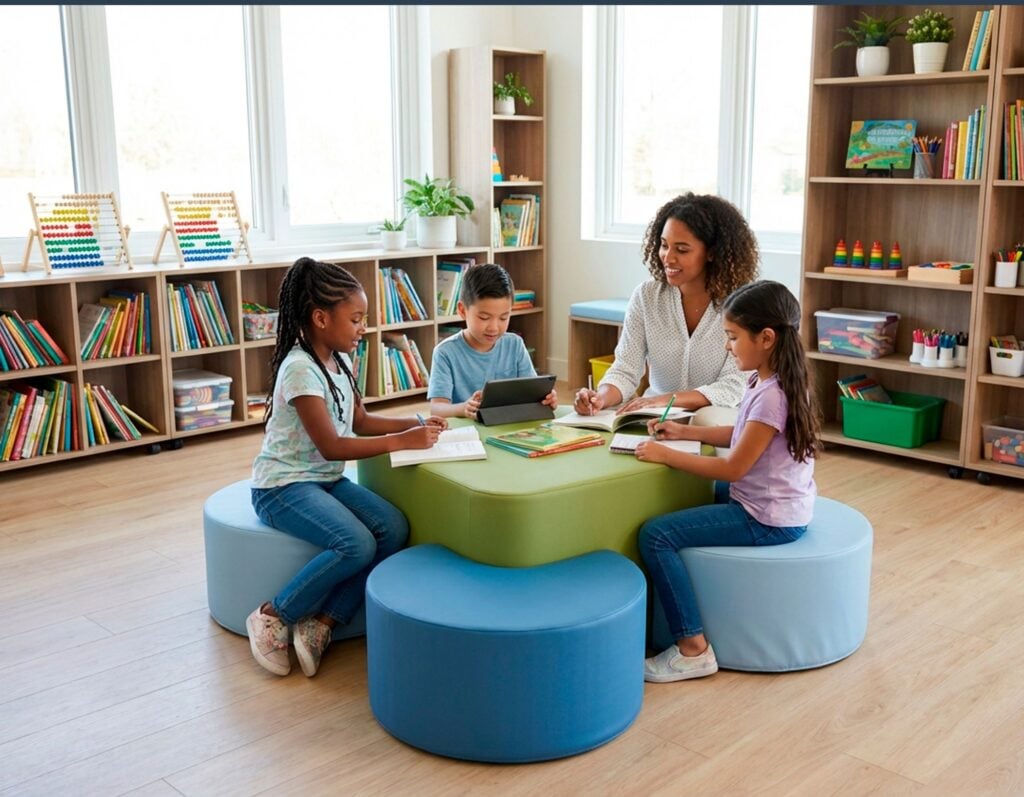
1. Opciones de asientos flexibles
Not every child learns best sitting still in a traditional chair. Offer a variety of seating styles, such as:
Giving students choice in how they sit supports autorregulación and body awareness, both critical for neurodivergent learners.
2. Paletas de colores calmantes
Bright, saturated colors can feel overwhelming. Instead, aim for:
-
Soft blues, greens, and earth tones
-
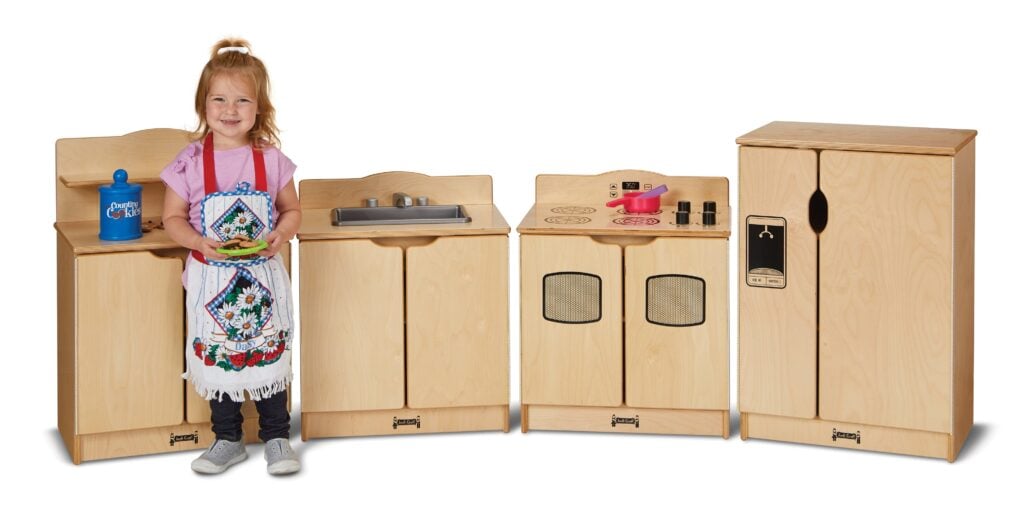
Muebles de madera natural
-
Neutral rugs and storage pieces
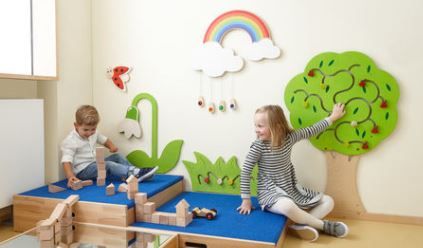
Montessori classrooms excel in this area—minimalist, nature-inspired aesthetics create a visually calming space that reduces distraction.
3. Defined Zones for Sensory Needs
Designate areas in the classroom for different types of sensory input:
These micro-environments allow children to move between stimulation and calm as needed throughout the day.
Furniture That Supports Sensory Inclusion
Choosing the right furniture plays a major role in supporting neurodivergent learners. Look for:
-
Bordes redondeados y materiales suaves to minimize accidental bumps
-
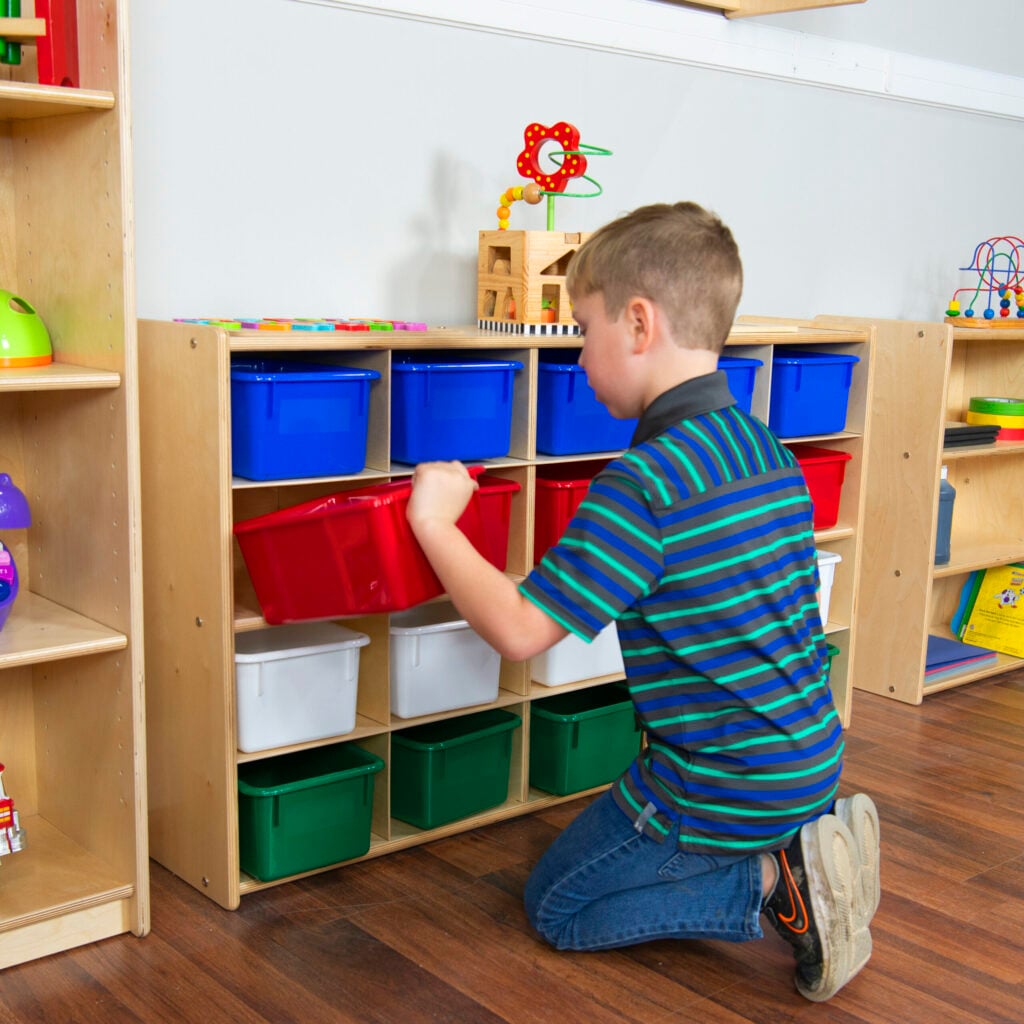
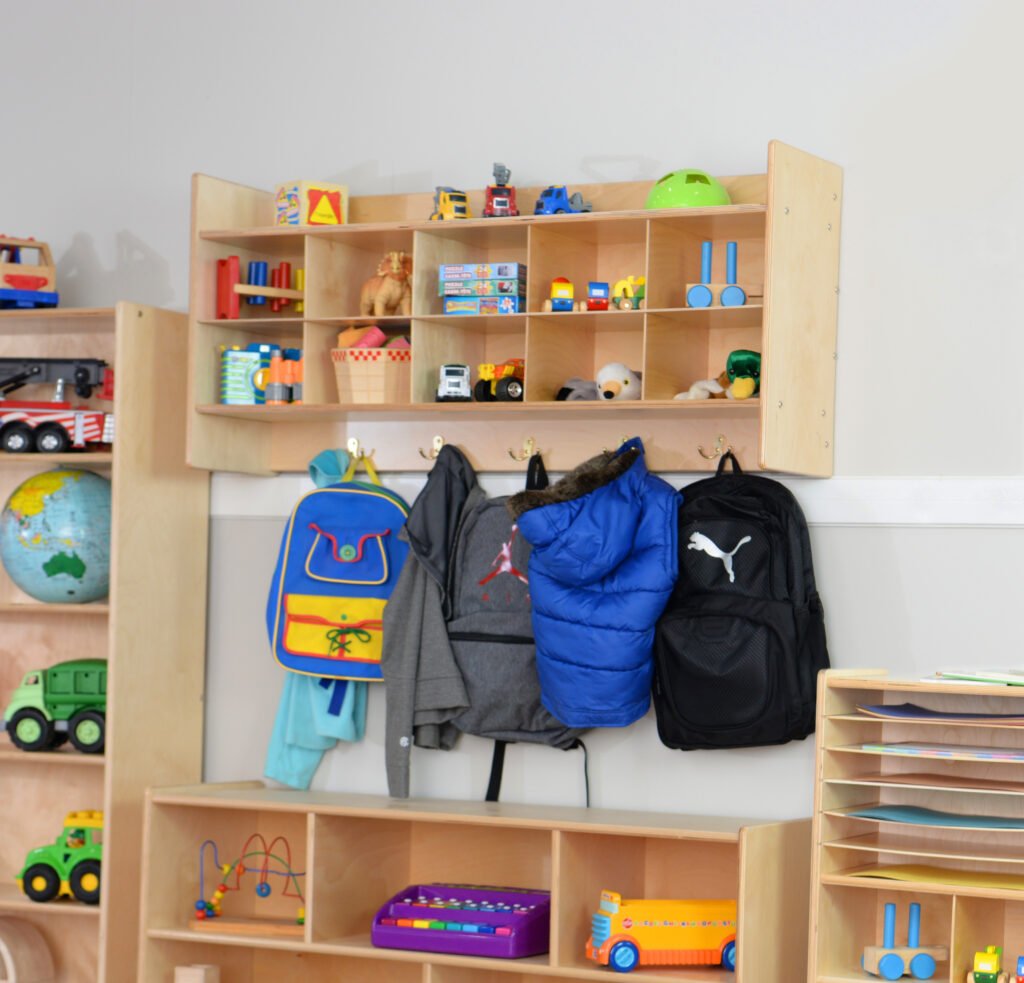
Low, accessible shelving to encourage independence and reduce clutter
-
Mesas sensoriales with water, sand, or manipulatives for hands-on exploration
-
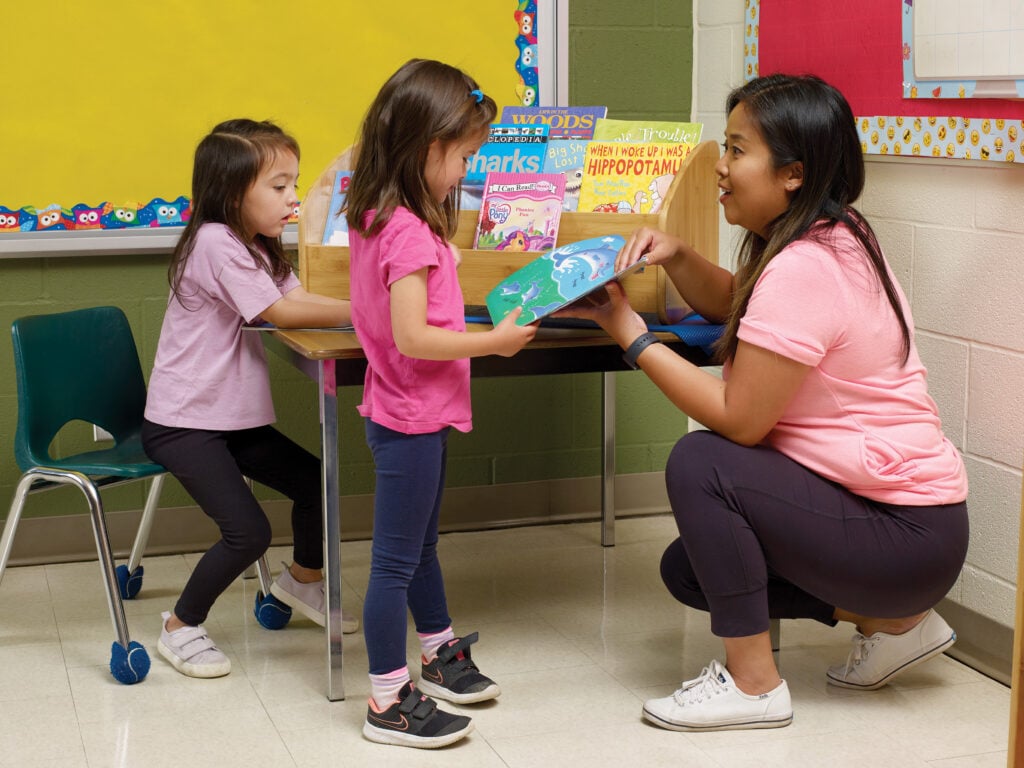
Sound-dampening rugs or wall panels to reduce echo and background noise
At Niños Kindermark, many of our pieces are selected for their sensory-friendly, classroom-safe design—including Montessori-aligned furniture, asientos blandos, y child-height storage that promote autonomy and comfort.
Lighting, Sound, and Transitions
- Natural lighting is ideal. When not possible, use dimmable LED lights or light filters to avoid harsh glare.
- Soft background music or white noise can help mask distracting sounds, especially during focused work time.
- Visual schedules, timers, and transition tools give students advance notice before moving to a new activity, helping ease anxiety.
Final Thoughts: Inclusion Starts with the Environment
Creating a sensory-friendly and neuroinclusive classroom doesn’t require a complete overhaul. Small changes—like adding soft seating, decluttering visual space, and offering sensory play options—can make a huge difference in how safe and supported your students feel.
When we design with all learners in mind, we foster a space where every child can thriveno solo sobrevivir.
👉 Tienda Sensory-Friendly Classroom Furniture at Kindermark Kids