Designing an early education classroom that supports independence, comfort, and learning starts with one key element: the right tables and chairs. Whether you’re outfitting a preschool, daycare, or Montessori-inspired learning environment, child-sized furniture plays a crucial role in how students interact with their space, materials, and each other.
In this guide, we’ll explore how to choose the right tables and chairs for your early education classroom—and why Montessori principles are leading the way in classroom design.
Why Size Matters: Child-Sized Furniture for Independent Learning
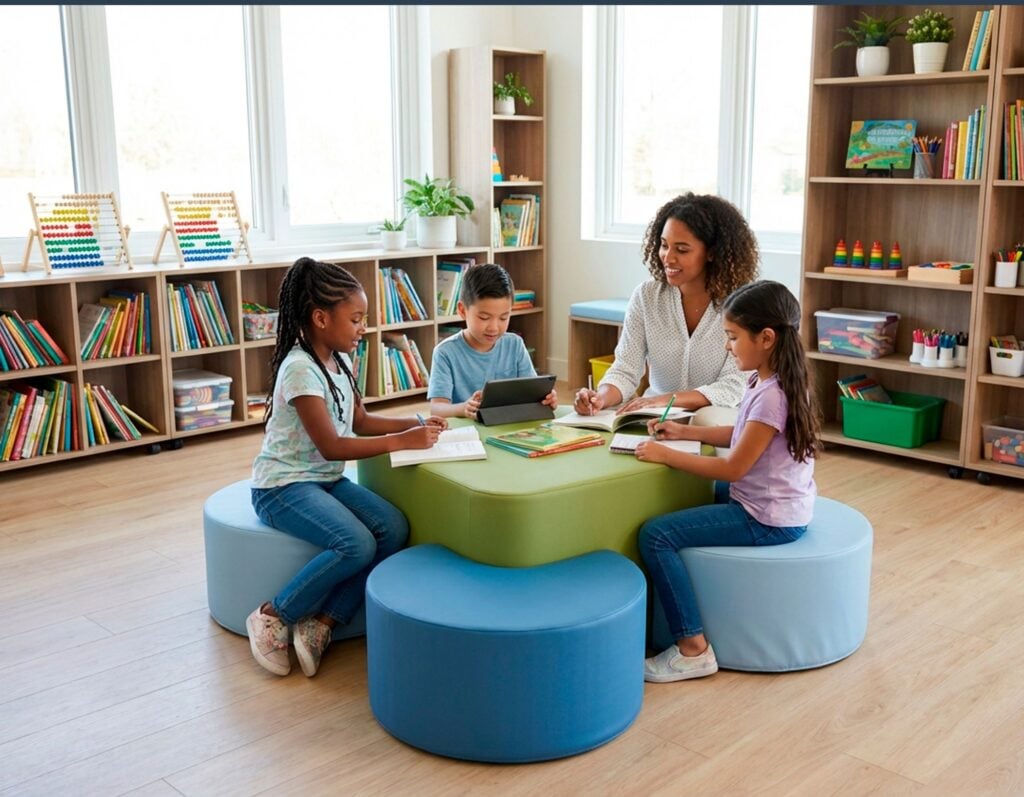
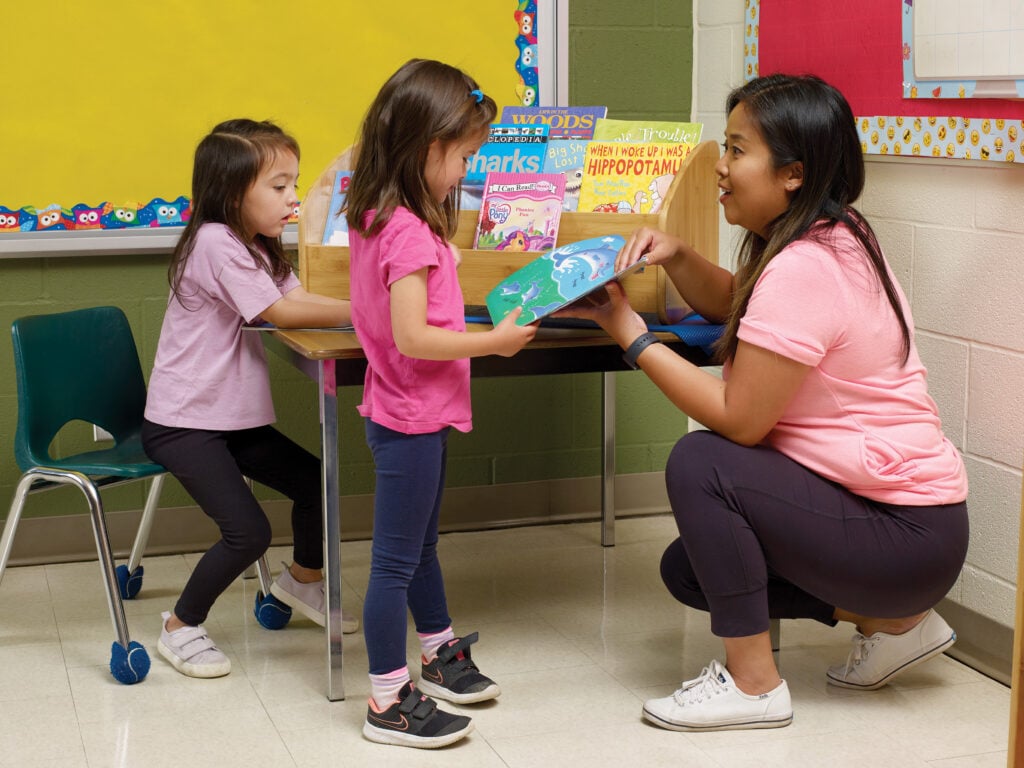
Montessori classrooms are built on the idea that the environment should empower children to learn independently. That’s why Mesas y sillas Montessori are always proportionate to the child’s size.
When children can sit down, stand up, and move furniture without adult assistance, it promotes:
Confianza e independencia
Postura y comodidad mejoradas
Natural collaboration during group work or snack time
Tip: Look for tables and chairs designed for specific age ranges. For example, toddlers (18–36 months) need lower seat heights and smaller table dimensions than pre-K or kindergarten students.
Early education furniture should withstand daily use, spills, and the occasional climbing child. Opt for materials like:
Solid birch or hardwood
Laminate tops with rounded edges
Greenguard-certified finishes for safe indoor air quality
2. Facilidad de limpieza
Preschool classrooms can get messy fast. Choose surfaces that are:
Fácil de limpiar
Resistente a las manchas
Moisture-resistant (especially in art and sensory zones)
3. Stackability and Flexibility
For classrooms that host multiple age groups or rearrange furniture often, stackable preschool chairs are a must. Chairs that stack easily save valuable floor space and make clean-up a breeze. Similarly, lightweight, modular tables allow for quick reconfiguration between learning centers, group work, or quiet zones.
4. Seat Shape and Comfort
Young children benefit from chairs with contoured seats and supportive backrests. A well-shaped seat helps promote proper posture and keeps children comfortable during lessons or activities. Rounded edges and ergonomic curves are not only safer but also more inviting for young learners.
A Montessori classroom favors minimalist design, natural materials, and open space. When selecting Montessori-style tables and chairs:
Avoid bright plastic or overly colorful designs
Choose natural wood finishes and clean lines
Prioritize furniture that invites movement, self-direction, and group collaboration
At Kindermark Kids, many of our tables and chairs are inspired by Montessori principles—blending beauty, function, and durability in one child-centered design.
Tables & Chairs by Age Group
Grupo de Edad
Altura de la mesa
Altura del asiento de la silla
Usos ideales
Niños pequeños (18 a 36 meses)
12–15”
5–7”
Snack time, sensory play, art
Preescolar (3-5 años)
15–20”
10–12”
Circle time, group work, manipulatives
Kindergarten (5–6 years)
20–23”
12–14”
Writing, small group learning, STEM activities
Final Thoughts: Build an Environment That Grows with Your Learners
The best classroom furniture does more than fill space—it invites learning. Whether you’re starting from scratch or upgrading a few zones, focus on Mesas y sillas para niños that meet students at their level—literally and developmentally.
Prioritize comfort, mobility, and long-term durability. Look for pieces with diseños apilables, ergonomic seat shapes, and finishes that hold up to everyday wear and tear.
Explora nuestra selección completa de Mesas y sillas Montessori, perfect for early education classrooms, waiting rooms, and homeschool environments.