
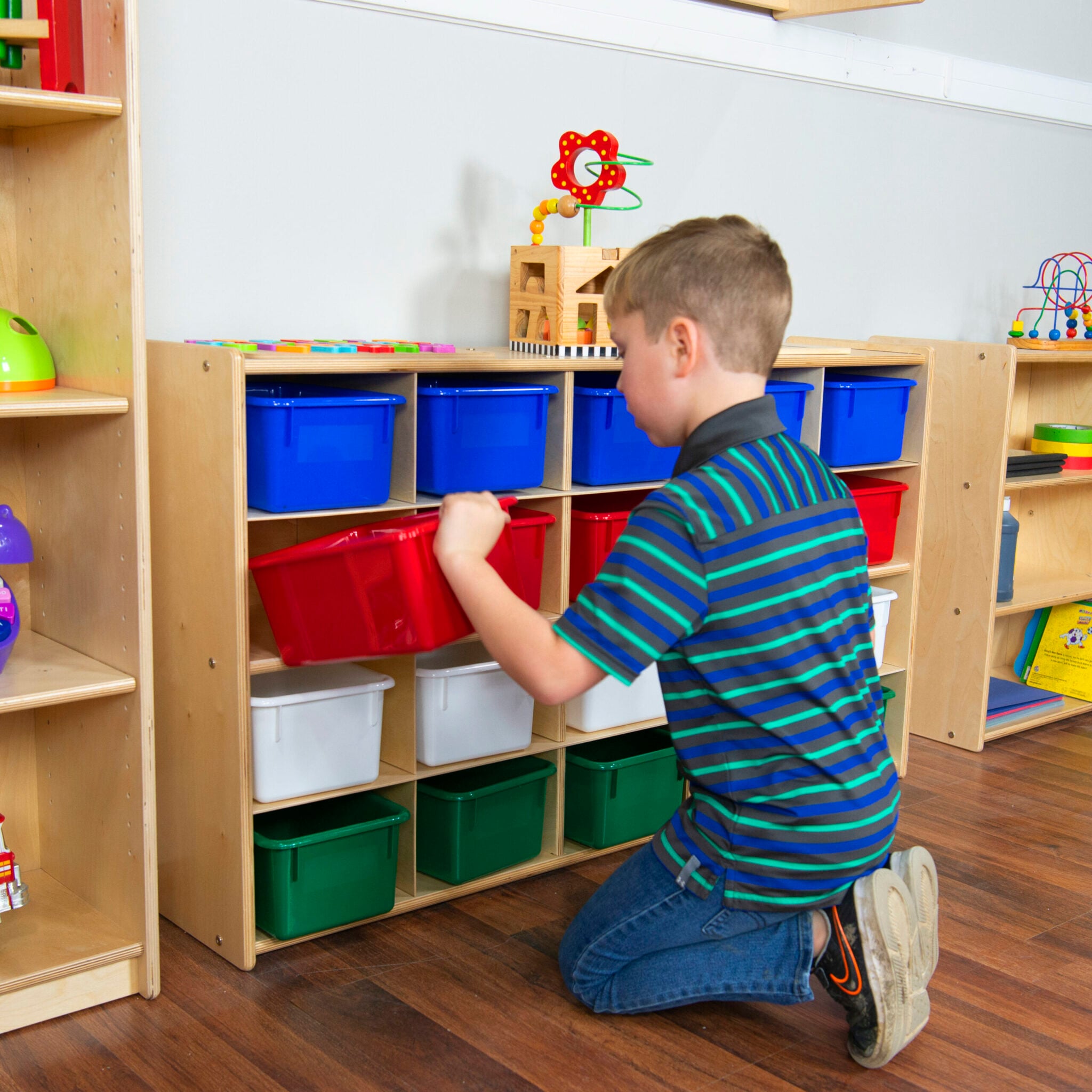
When most educators talk about encouraging autonomy in the classroom, they’re generally talking about giving students a voice in how they engage with the class — for example, allowing them to choose how to complete an assignment or demonstrate their competencies.
Encouraging autonomy in early childhood classrooms is a little different. Allowing young students to manage their own belongings, clean up after themselves, and choose what to do during free time helps them develop the independence they’ll need throughout their lives.
Teachers help students develop their autonomy and independence by giving them tools and choices that teach them how to self-regulate and flex their decision-making ability. While this includes how teachers structure and organize their lessons, it also includes how they design their classroom.
Autonomy and independence in the classroom are separate but related concepts. Autonomy means making choices and taking responsibility for those choices. Independence is more about the ability to complete tasks without adult help.
Early childhood students develop these foundational skills gradually and set the stage for educational success for years to come.
For example, when a student chooses which activity to pursue during free play or what book to read during quiet reading time, they’re learning how to make decisions and what the outcomes of each choice are in a safe environment. Completing a task independently builds confidence, while cleaning up after themselves teaches them responsibility.
Autonomy can also encourage children to be more active and engaged in their learning and education. When they’re allowed to choose from age-appropriate activities or work through problems on their own, they’re learning they don’t have to wait for an adult to lead them or solve the problem. They’re developing the initiative and persistence they’ll need from now until graduation.
Thoughtfully designed classrooms can support and even encourage a young learner’s growing independence. One way to think of this is through the Montessori concept of the prepared environment. These classrooms empower children to explore and learn on their own with a classroom layout that gives children age-appropriate choices.
But what does that look like in practice?
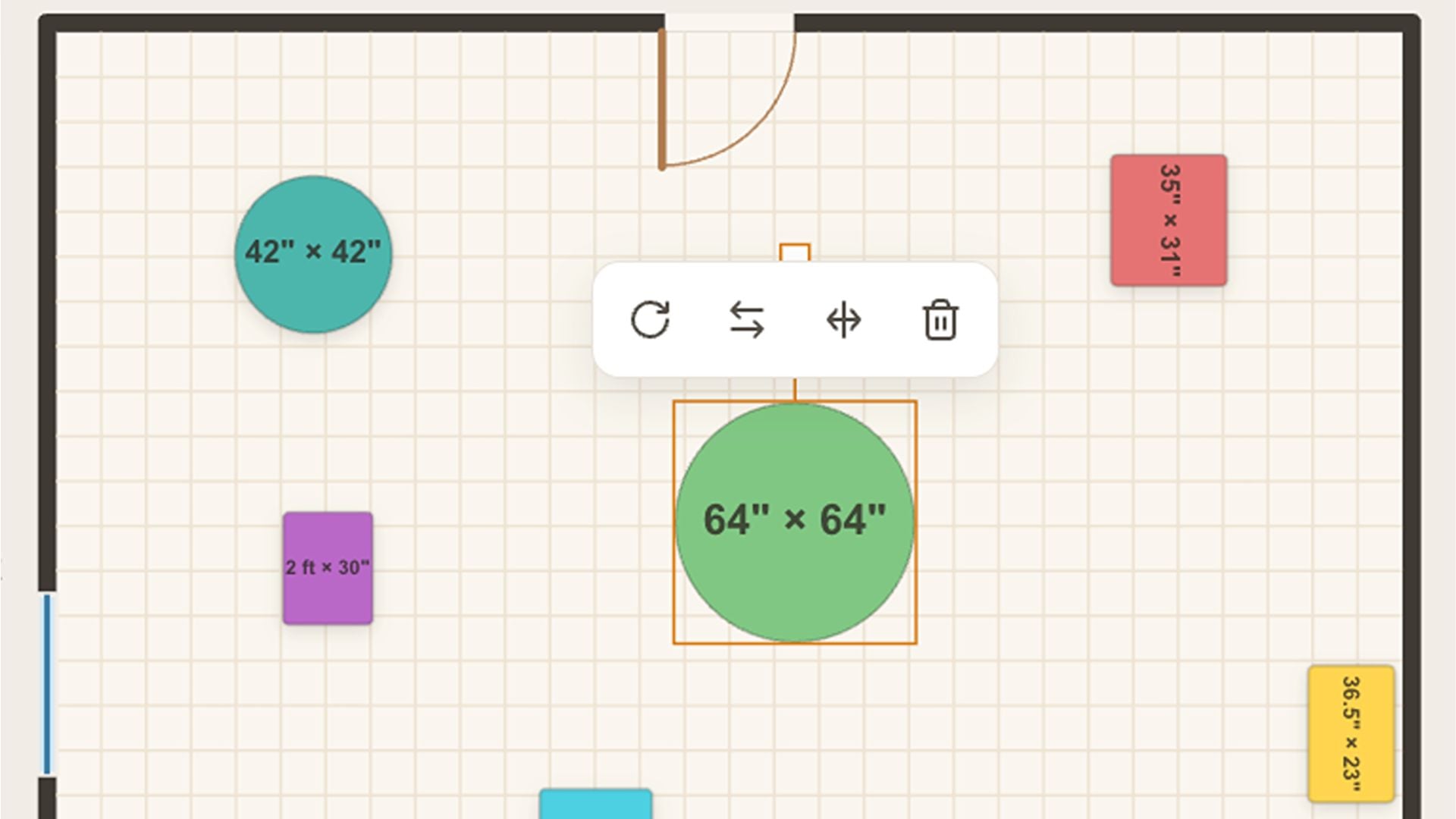
Test different classroom layouts and see what works in your classroom.
Autonomy and independence don’t mean giving students complete control over the classroom. It means creating an environment that makes it easier to complete age-appropriate tasks on their own. So, think small and consider how to encourage and support that with a classroom designed for a child’s size and abilities.
Can students easily reach the supplies they need? Is it clear where supplies belong? What about personal belongings? Are there opportunities for them to make independent choices throughout the day?
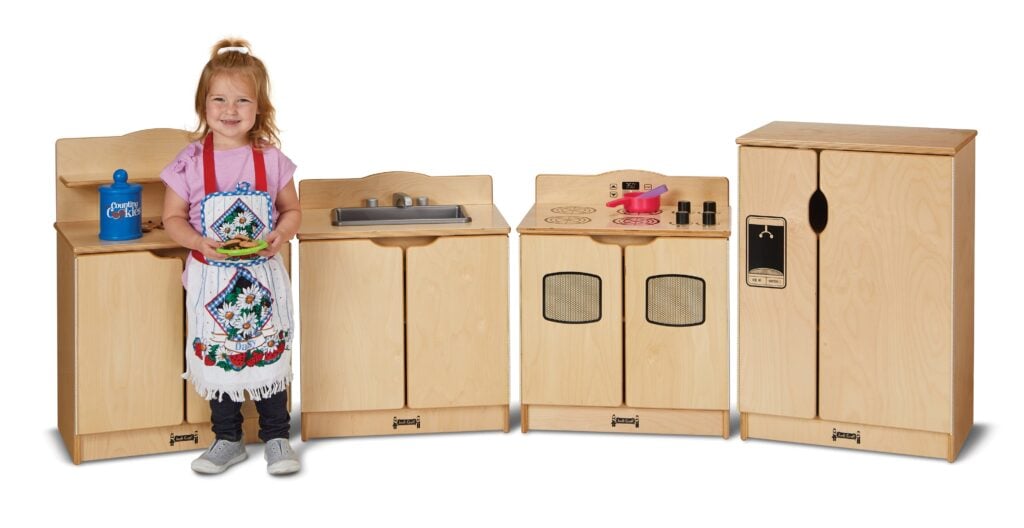
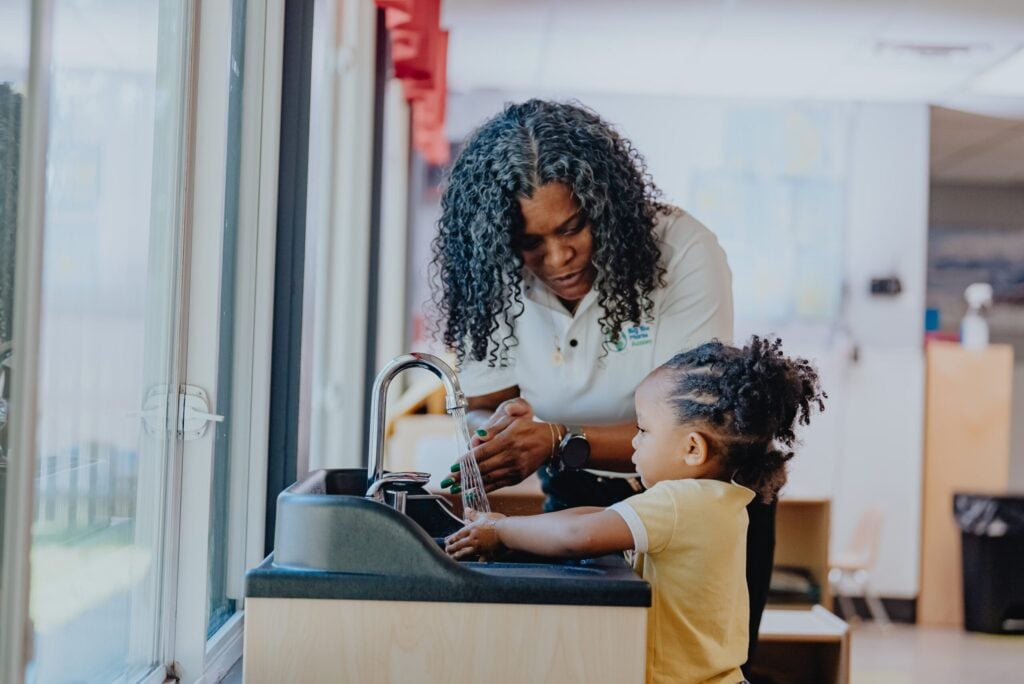
Right-sized furniture makes it easier for students to navigate the classroom environment independently. Instead of needing help to get into a too-tall chair or asking an adult to get their coat down from a too-high hook, children are able to reach whatever they need to complete their tasks independently, building confidence in their abilities.
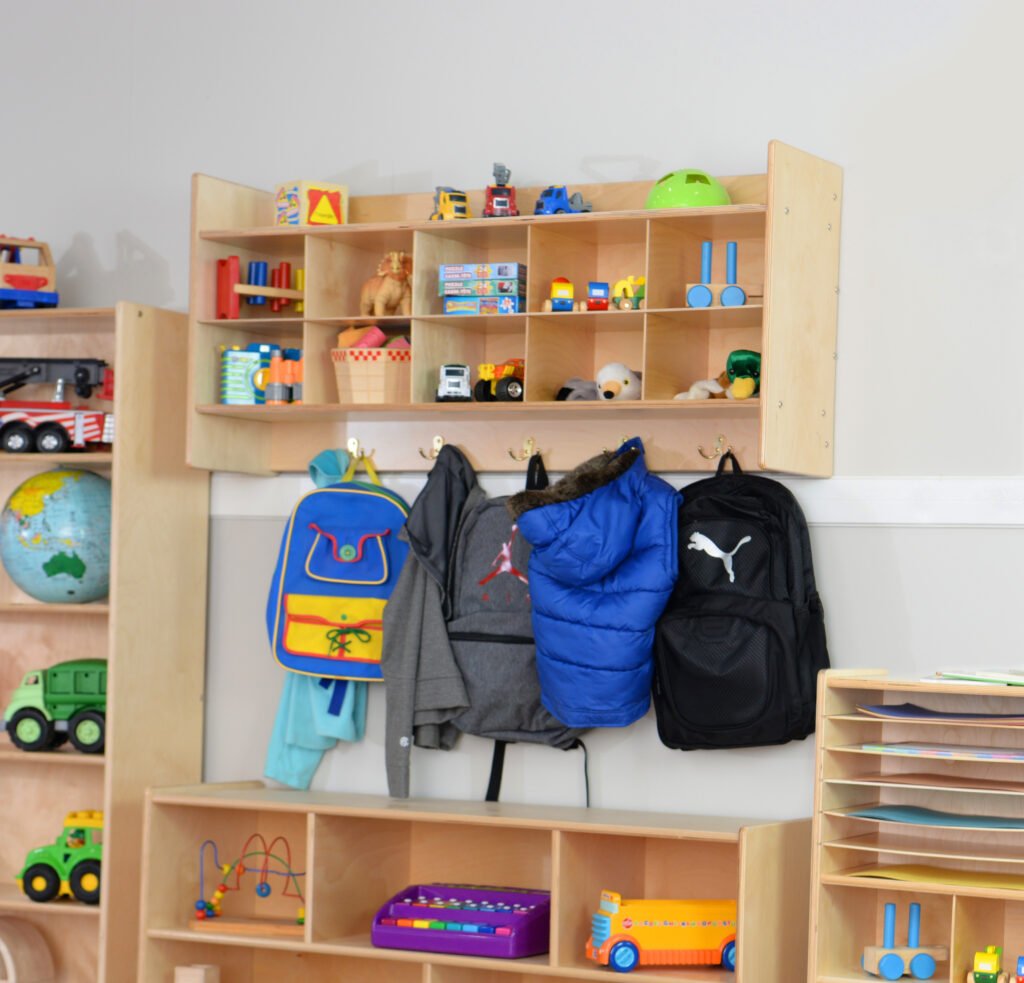
What’s more, child-sized furniture helps students understand what’s expected of them every day. For example, a child-sized cubby or locker helps children understand that they are expected to hang up their own coats and put away their backpacks on their own.
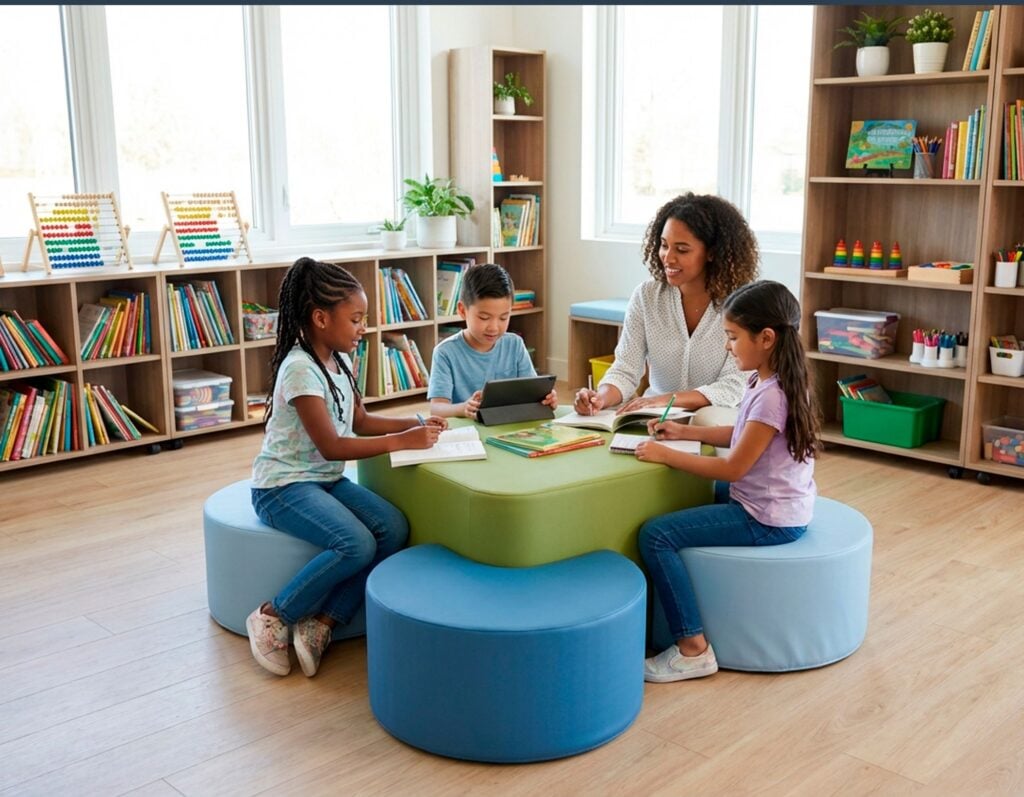
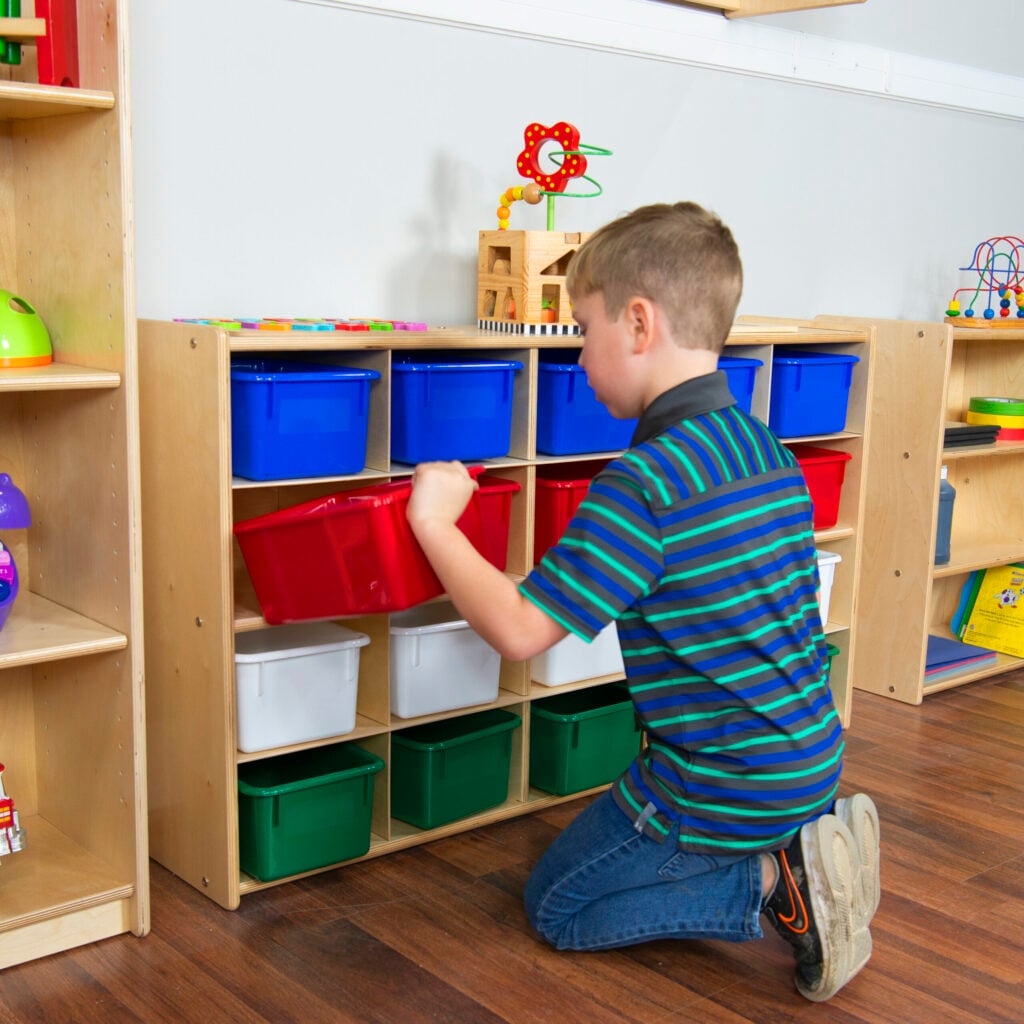
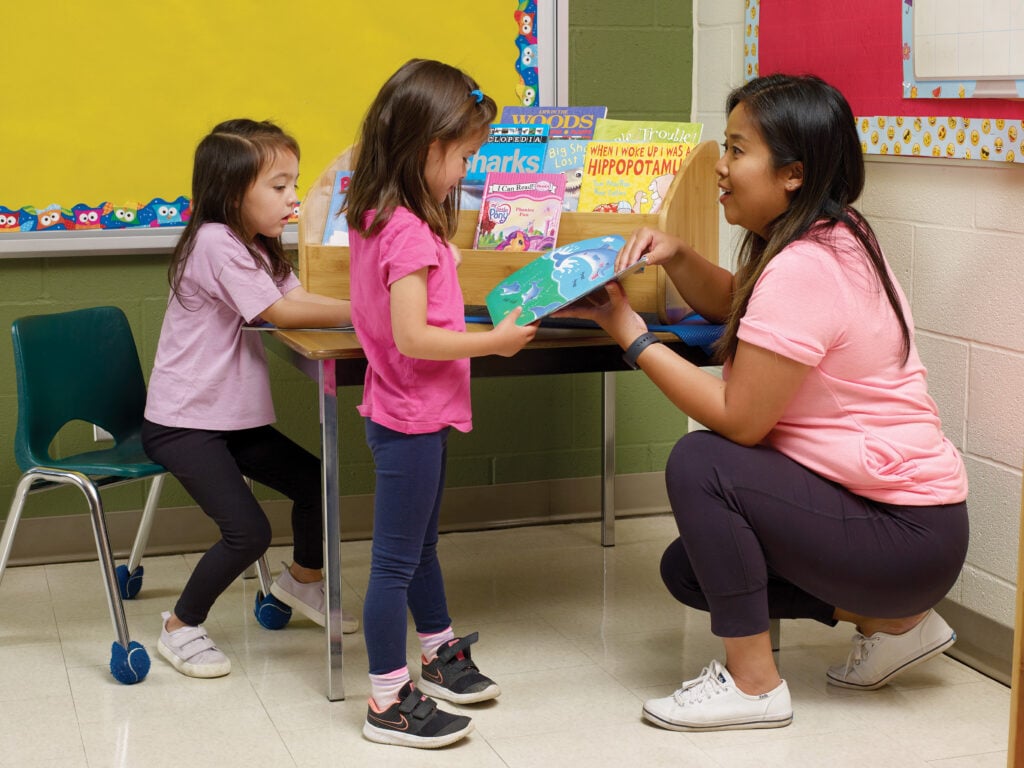
Along those same lines, also keep classroom materials, books, toys, and games within their reach. Not only does it let children see what options they have, it allows them to make an independent selection without teacher guidance or assistance.
For example, open shelves let children see what books or toys they can use during free time, while a puppet storage center encourages children to take care of shared objects in the classroom. Accessible cubbies or drawers ensure students know where to find classroom supplies, like pencils, paper, glue, and glitter.
What’s more, having these child-centered options helps students understand where things go when they’re done using them, encouraging them to take responsibility for how clean or cluttered the classroom is.
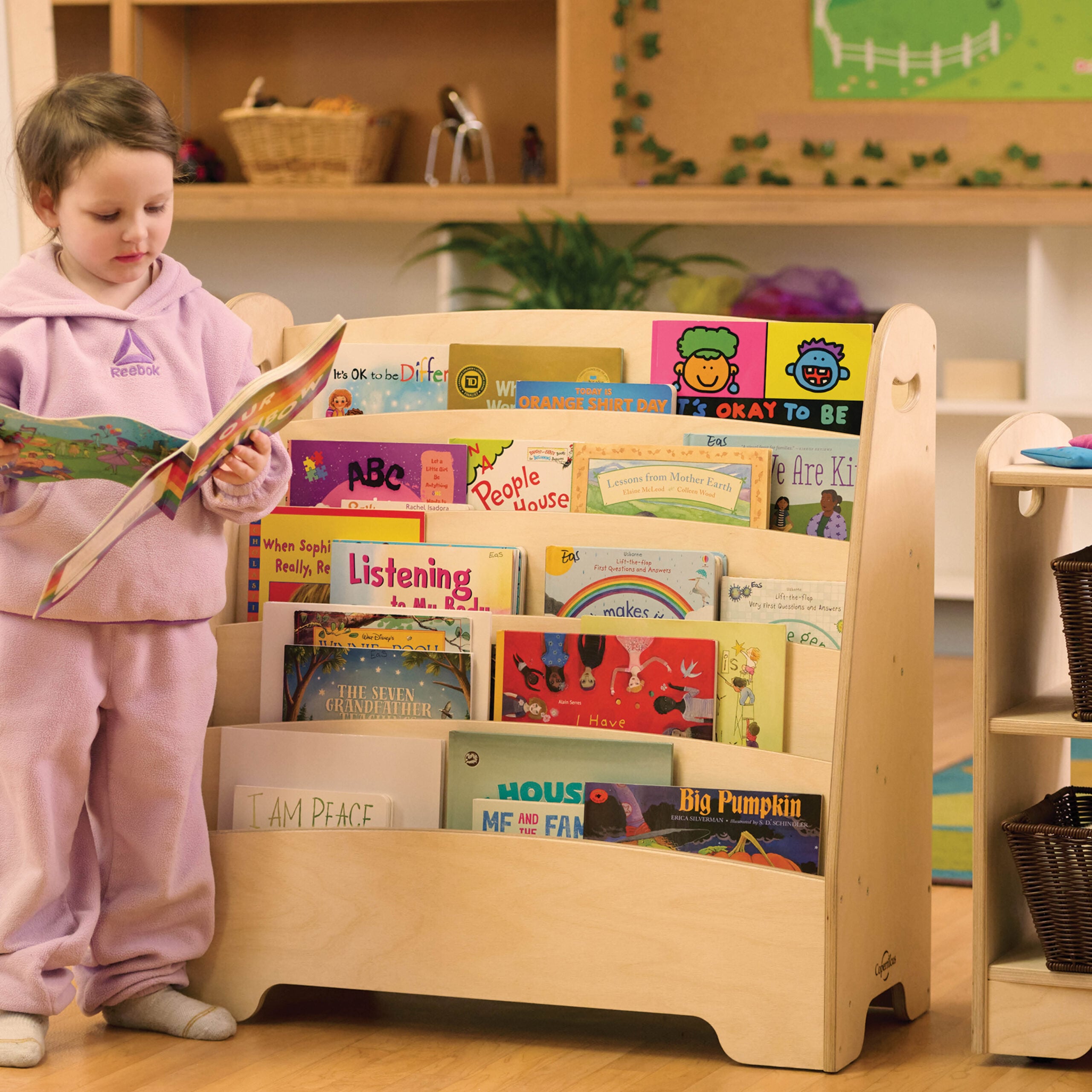
How you set up the classroom can be just as important as what you put in it. Dividing the classroom into recognizable learning zones creates boundaries within the room, helping children understand what activities can be done where and which materials belong in that zone.
For example, a clearly defined reading area with a reading nook or loft helps children understand that this is where the books go and is generally a place for quieter activities. Likewise, a dramatic play area is where the costumes and puppets are and where children can engage in more active play.
Autonomy means choosing among the available options, but young learners don’t need unlimited options. Putting every book or game on the shelf could mean students don’t choose anything because they’re too overwhelmed.
Instead, consider only putting out some options at a time, then rotating the options regularly. This limits the options so young learners aren’t overwhelmed while allowing them to develop their autonomy and independence.
While classroom design supports and encourages autonomy and independence in the classroom, furniture can’t teach those skills! Children still need teachers to model the appropriate behavior and explain how to use classroom materials. They may need to demonstrate how to choose an activity or clean up, so children understand and learn exactly what is expected of them.
What’s more, teaching autonomy and independence in an early childhood classroom also doesn’t mean giving children complete control over the day. Teachers still lead the class by establishing routines and expectations while maintaining appropriate boundaries. Over time, a teacher can step back and let children make more independent choices, but they still remain involved in supporting those choices.
A classroom designed for autonomy is a classroom designed for success. When children are trusted to make choices and are supported by a purposefully designed classroom, they develop the confidence and skills they need to excel in school and throughout life.
From Montessori learning materials to child-sized furniture, Kindermark Kids is your one-stop shop for all things early childhood classroom. Our storage solutions, alternative and flexible seating options, and outdoor equipment ensure you design a classroom that encourages a child’s autonomy and independence.
Contact us today, and we’ll help you design the perfect classroom to support your students.