






Tapping toes, swinging feet, tipping chairs, falling out of desks… Do any of these things remind you of your classroom? Today’s students seem to need more input and more movement than ever before. Perhaps it is the increased use of screens both at school and at home, or perhaps it is just higher energy levels, but regardless of the reason, teachers are finding the need to adapt classroom teaching to the needs of these wiggly bodies within their four walls.
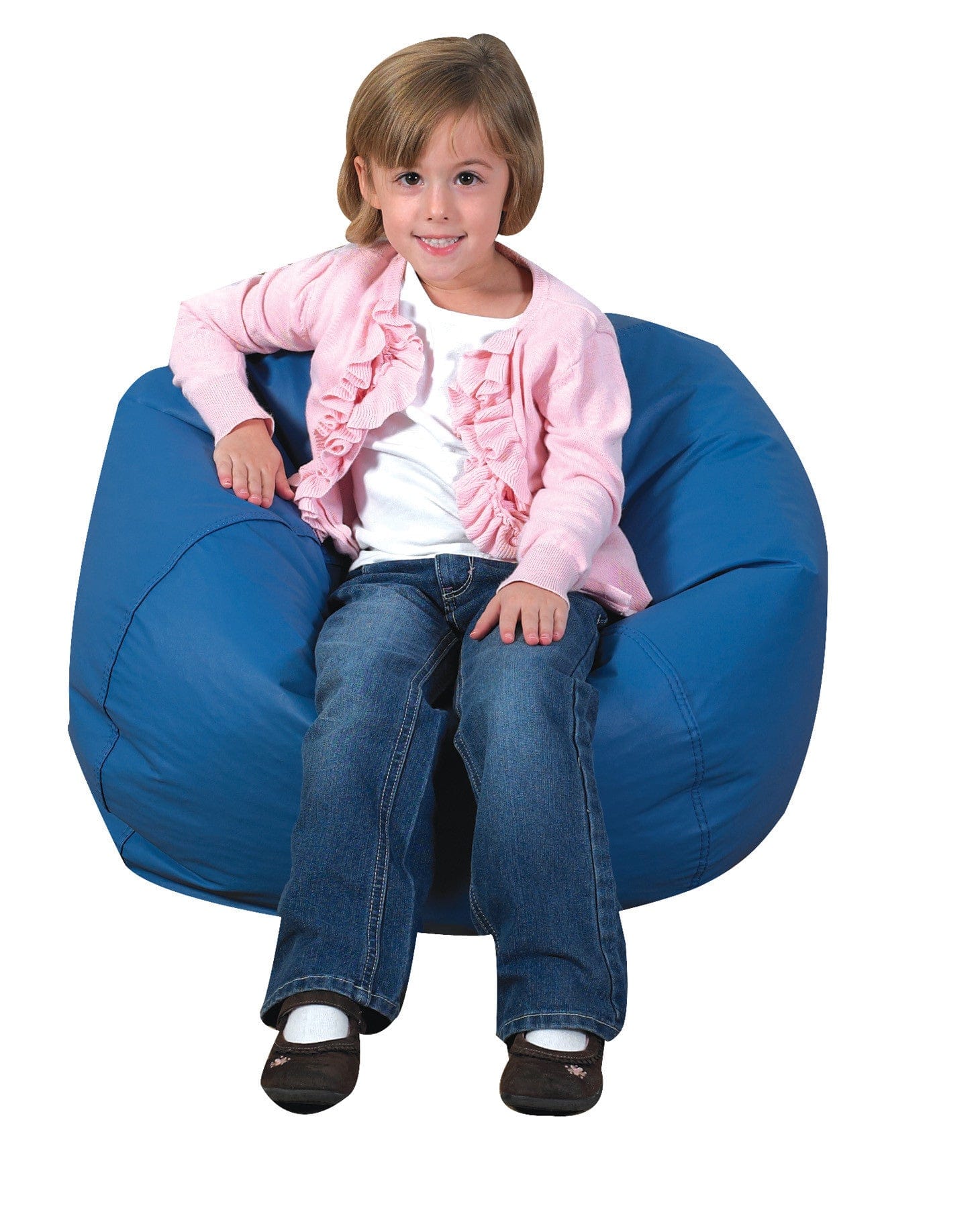
One method of providing students more opportunity for movement is through the use of flexible seating. It can look different in every classroom, but includes everything from rocking chairs and wobble stools to standing desks and ball chairs.
How you introduce flexible seating in the classroom is just as important as what you introduce and where you use it. Here’s what to consider and how to get the most out of these unique seating options.
While flexible seating has become popular in primary and secondary classrooms, it’s not right for every classroom or every student. So, before adding flexible seating options to your room, here are the pros and cons to consider first.
Flexible classroom seating gives students choices, allowing them to exercise their autonomy and make decisions about how and where they sit. Beyond these life skills, the pros of flexible seating include:
Flexible seating can change how your classroom operates, but that may not always be for the better. Here are the cons to consider.
If you’ve decided flexible seating is right for your classroom, here’s what to consider before you buy.
Depending on what you’re including, you may need more space for some types of flexible seating. For example, a wobble stool may need extra clearance on four sides so there’s room to wobble, while a balance ball may have a larger footprint than a standard chair. Consider how big your classroom is and how much room you need for everyone to move safely.
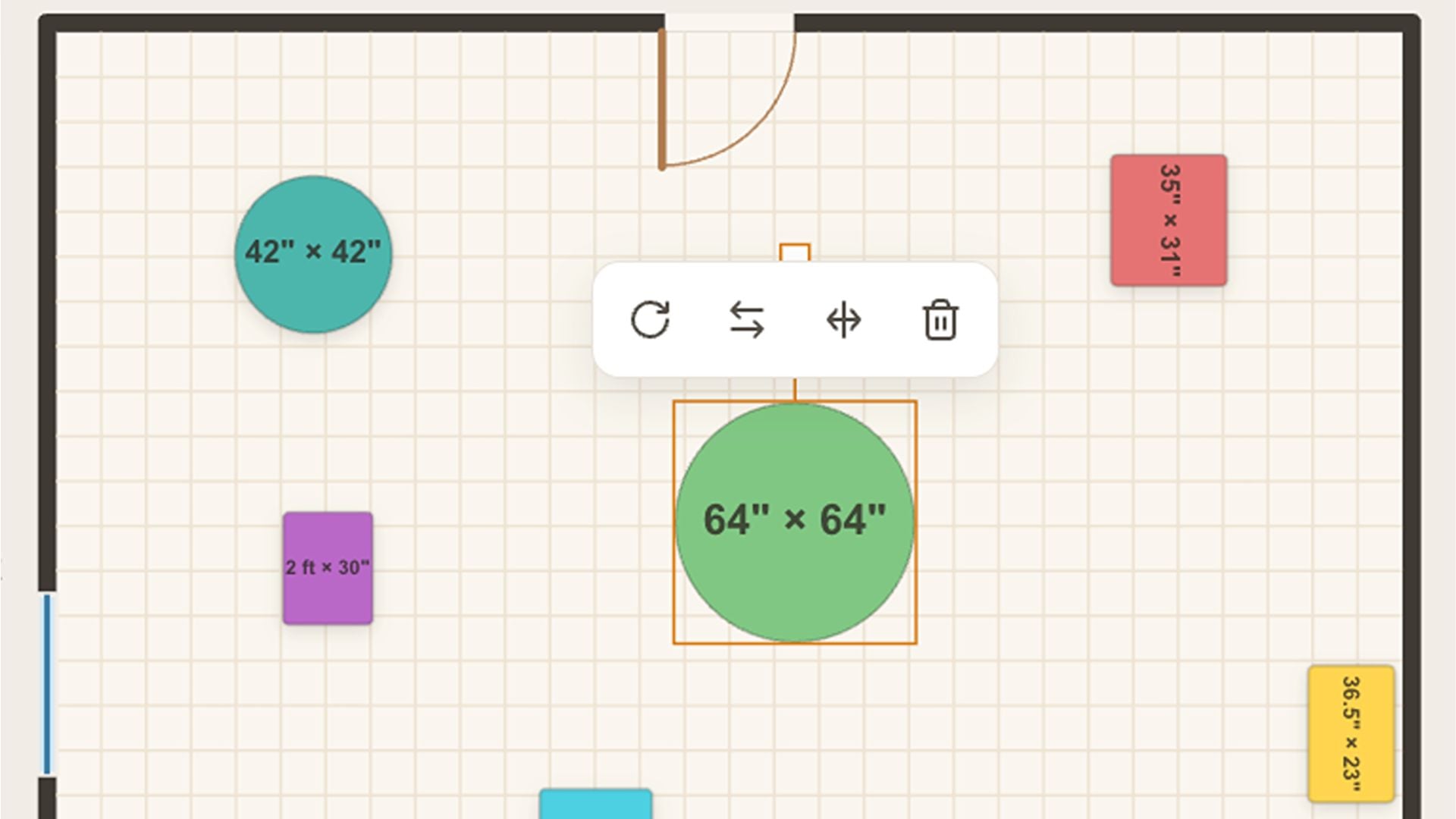
Not sure where to start? Use our space planning tool to figure things out.
It’s unlikely you’ll have flexible seating for every student. Likewise, you may not want to allow students to sit in flexible seating options the entire day. So, consider how many students might want to use flexible seating at once or when you’ll allow it.
For example, you may only allow flexible seating during group activities but not during a science lab. Likewise, you may say that flexible seating can only be used in the reading nook and not by the circle time rug.
Not every flexible seating option is developmentally appropriate. For example, you could get a stationary bike so students can pedal while they read, but some pre-K students — like two- or three-year-olds — may not yet have the balance or strength to benefit from this kind of flexible seating.
Whether you start the year with flexible seating in class or it’s something you add as the year progresses, it’s a novelty, and students will need guidance and boundaries on using it appropriately.
Before students are allowed to use flexible seating, consider demonstrating to the class the right and wrong way to use it. For example, if you have a rocking chair, demonstrate that students must sit down while rocking, instead of, say, standing on it.
Also consider sending home a flexible seating contract, so parents can discuss the rules and expectations around using flexible seating in the classroom. This can help students understand that sitting in these alternative options is a privilege, not a right, and is something that can be taken away if it’s misused.
Flexible seating can be a helpful tool for classroom management. It allows kids to choose the kind of seating that works for them and can help them burn off some energy in a focused environment. However, flexible seating may not work in every classroom setting and may not be appropriate for every student.
But if you’ve decided to incorporate some flexible seating alternatives in your classroom, Kindermark Kids has you covered. Our extensive selection of alternative and flexible seating gives you and your students options. Contact us today, and our team will guide you through the selection process.