


Whether your classroom has a vinyl floor or is already carpeted, adding a classroom rug helps personalize the space and enhance your theme. But choosing the perfect rug for your classroom isn’t the same as picking out one for your house. Given it’s used by young kids in a school environment, you need something that’s durable and safe but also maintains its look year after year.
A rug should look nice and fit in your classroom, of course. But beyond those basics, what features should you look for in a classroom rug?
The first thing to consider is what the carpet is made of. While most classroom rugs are made from carpet fibers, a few are made from waterproof materials, like vinyl. So, think about where you’re going to use your classroom rug and what purpose it’s going to serve. A vinyl rug near the cubbies and coats or under the sensory and activity tables might be a more practical option than a traditional, fiber-based rug.
But if you’ve decided fiber is the way to go, consider the pros and cons of each:
The other thing to think about is the carpet pile:
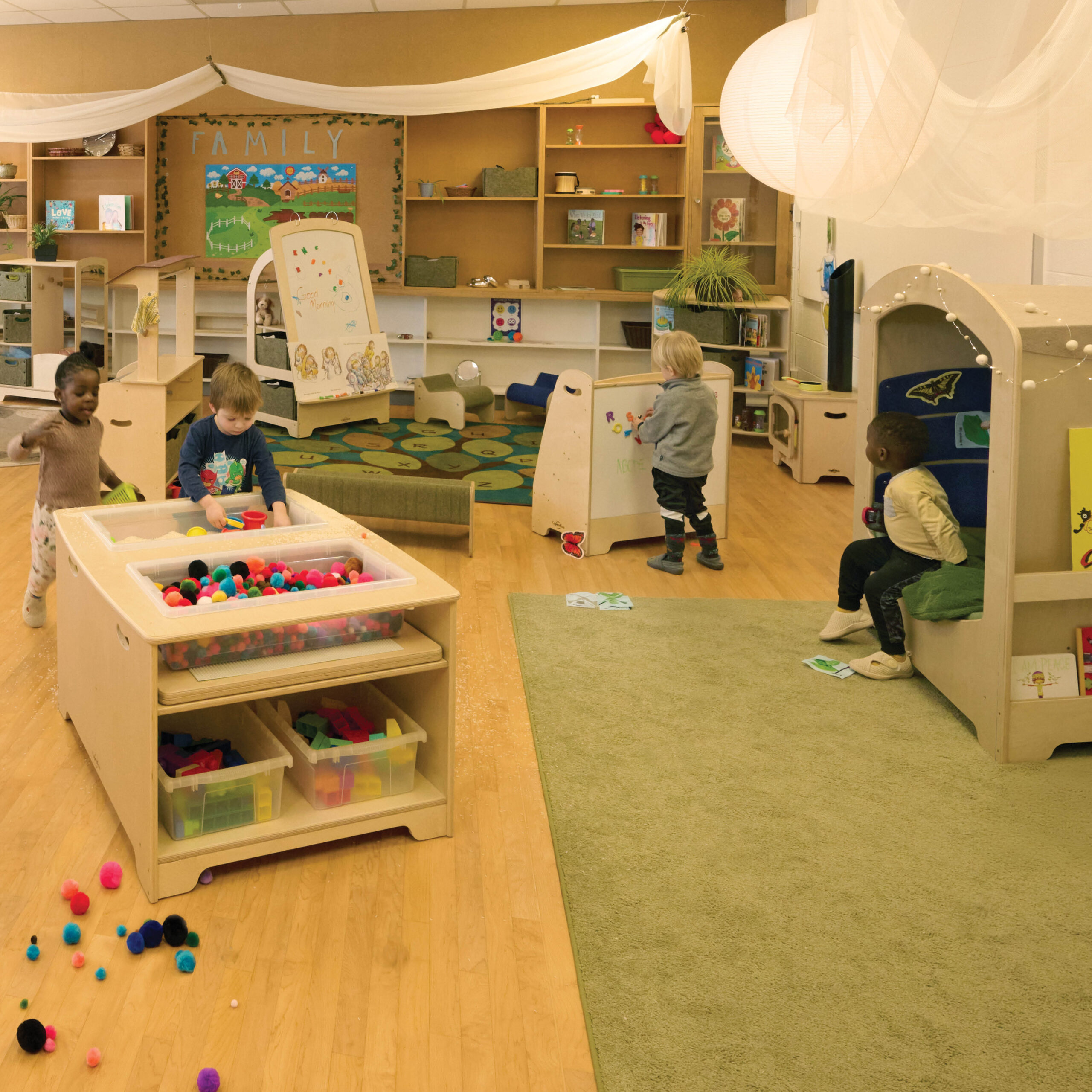
Beyond the basic materials, you’ll also want to get a classroom rug that’s safe for everyone. Also look for rugs with:
Once you know where you’re using your rug and the materials you’re prioritizing, the next thing to consider is the shape and size of your classroom rug.
Start by thinking about where and why you want to use one. Will it be in the center of the classroom for circle time? Or will you place it in a reading corner or calming corner to create a comfy and cozy environment? Maybe you want multiple rugs in several locations, each serving a different purpose.
Once you know the where and why, you can dig into the details. While rectangular and round rugs are the most common choices, sometimes a square or semi-circle is the better fit. And, speaking of fit, while measuring your room is important, so is measuring the clearance area around the rug. What does that mean?
Rug placement is important, too. If you’re using the rug near tables, chairs, or mobile furniture, consider whether or not those items will be on the rug. Even a little bit, and you may want a different pile or rug size to make sure nothing gets caught on the edge.
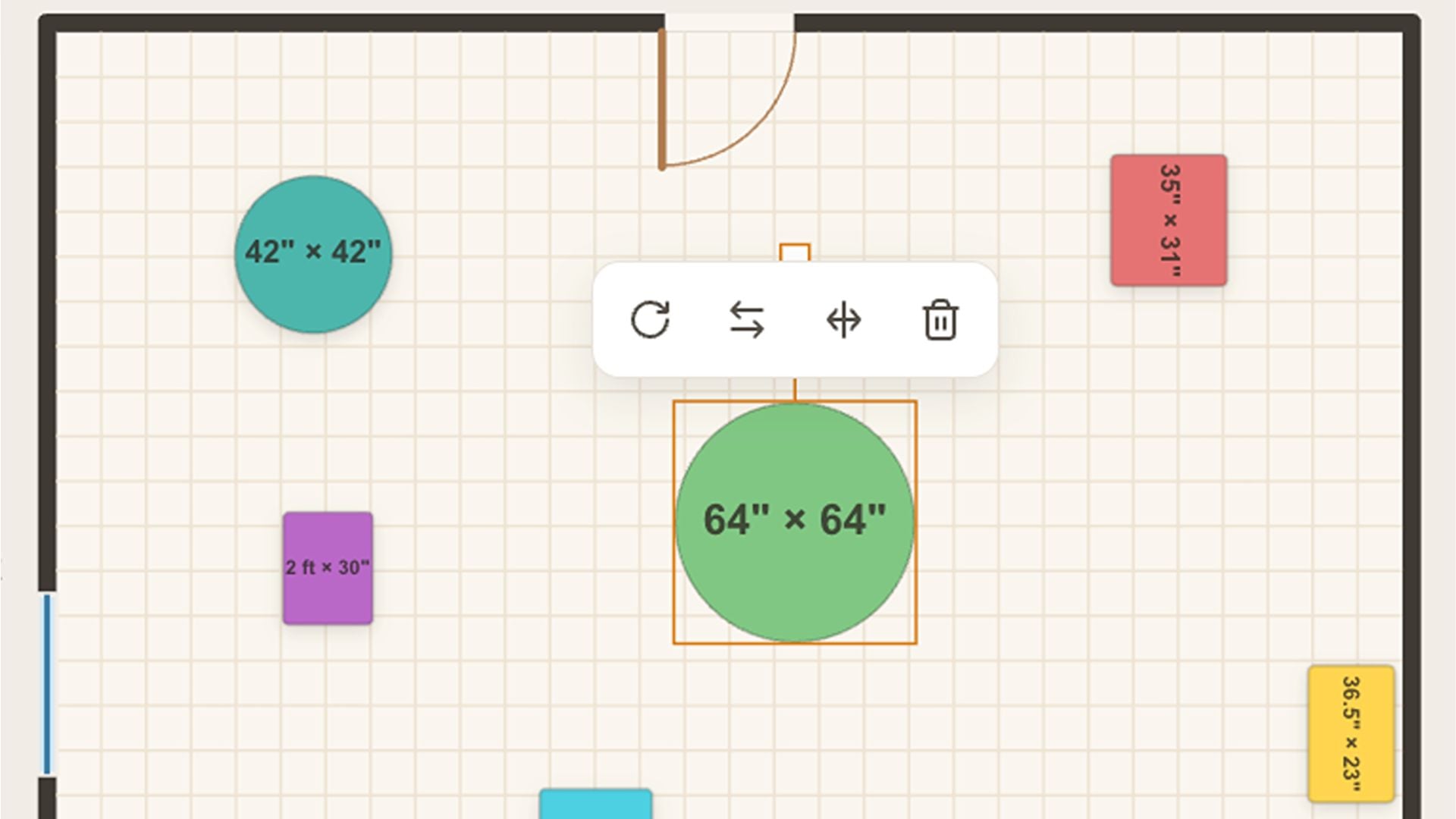
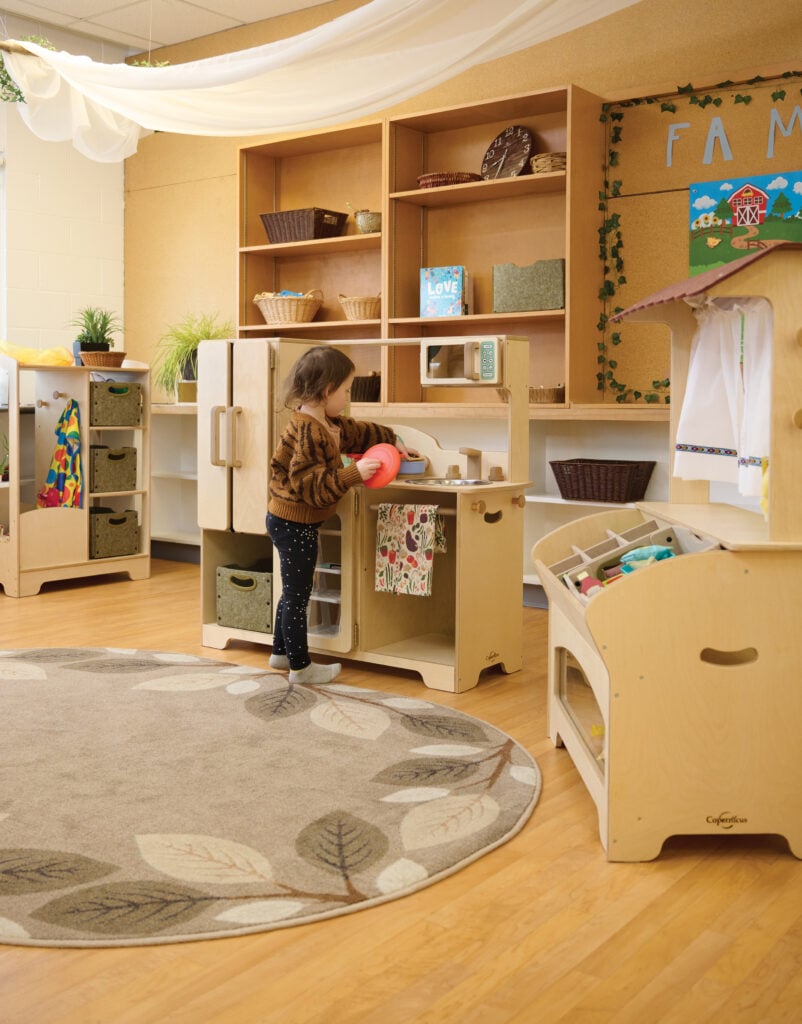
See how a Kindermark Kids rug fits in your classroom
One other thing to consider when you’re evaluating the size and shape of a rug for your classroom is how many children the rug can fit during circle time. Personal space can be a big deal no matter your age, but perhaps more so with young children who are learning how to sit still and keep their hands to themselves.
There’s no set rule on how much space you should allow each child, and the amount will vary based on age (two-year-olds may need less space than four-year-olds), but try to make sure each child has enough space to sit comfortably and without crowding classmates.
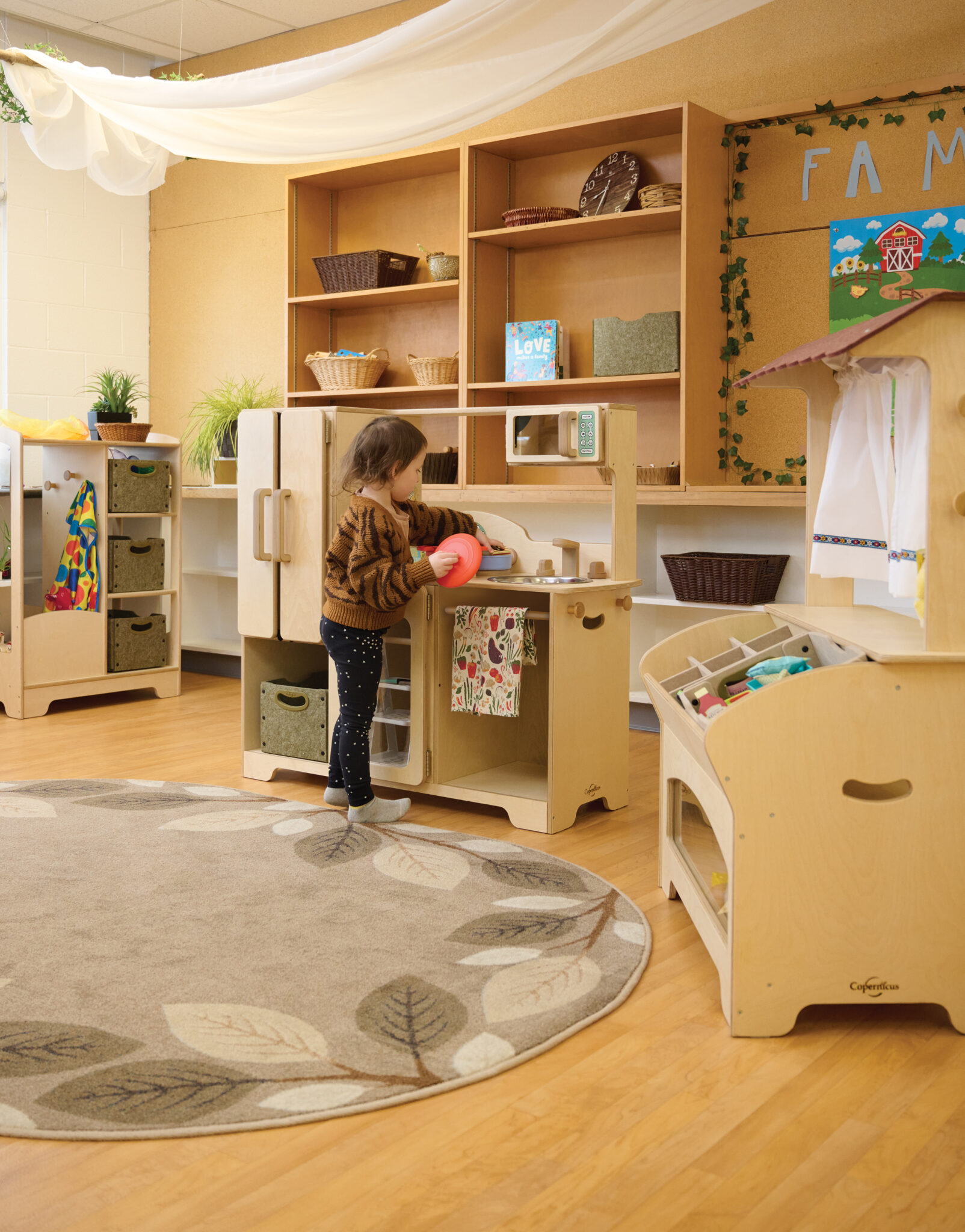
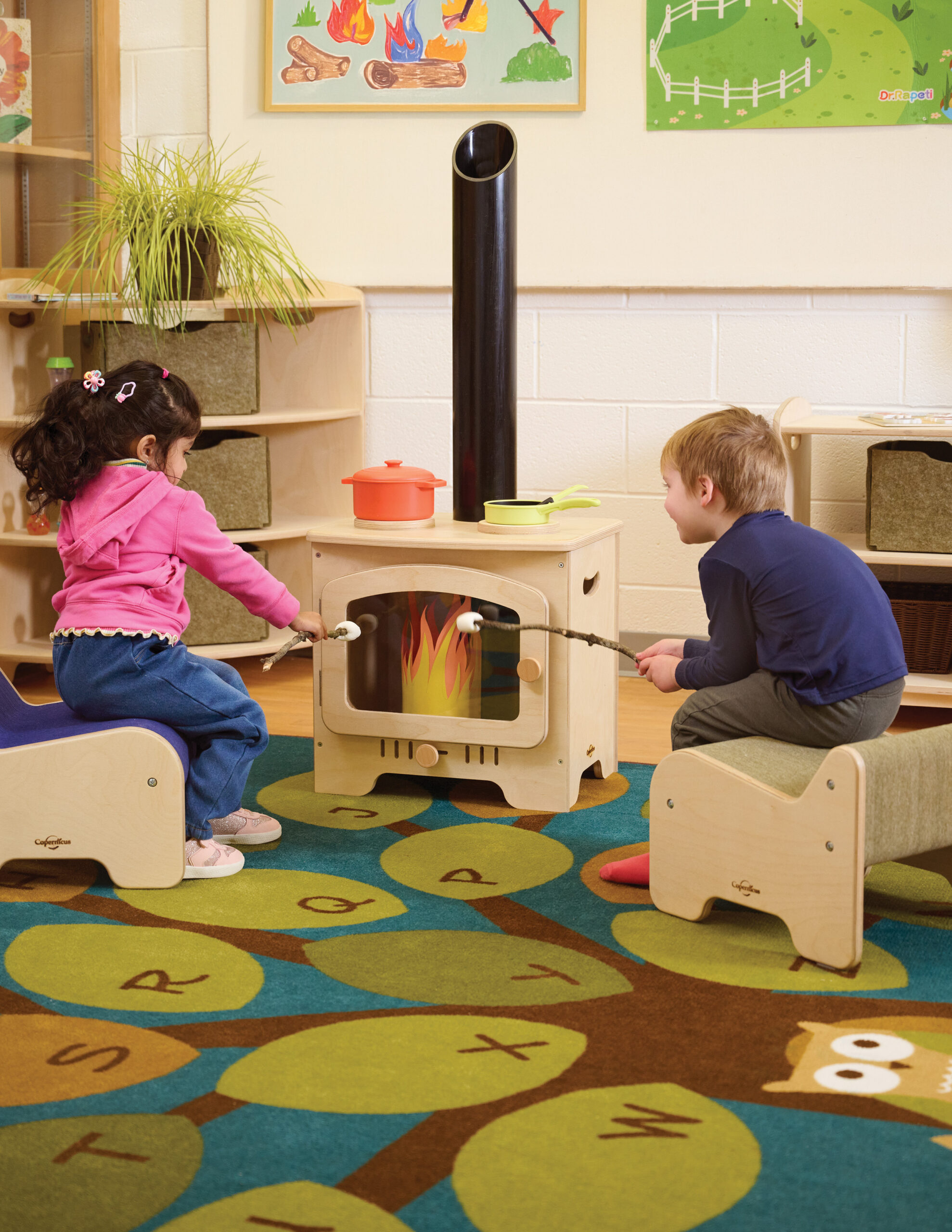
A rug is only one part of your room’s decor, but unlike most of your classroom decorations, a rug takes a fair amount of abuse. So while a light colored rug may fit better with your theme, a dark one is better able to hide spills, dirt, and anything else kids throw their way.
However, that doesn’t mean you’re stuck with a dark block of rug. Many dark colored rugs blend with your classroom theme and support what and how you teach.
For example, an ocean-themed rug has dark areas that hide dirt and stains while also teaching kids about ocean life. A rug with a dark background can have lighter areas with the alphabet, numbers, and shapes on them.
A few rugs are machine-washable, but most aren’t. So, it’s important to ensure your rug is regularly vacuumed and spot-cleaned. It’s not the same as a professional shampoo, but regular maintenance can help extend the life of your rug.
Similarly, turning the rug 90 degrees every few months can even out the wear and tear on your rug by exposing different parts of the rug to high-traffic areas.
Choosing a classroom rug is more about look and style. You have to consider how it’s built, how you clean it, and how it’s used by everyone who enters the room.
If you’re looking for the right rug for your educational environment, Kindermark Kids can help. Check out our full selection of classroom rugs or contact our team today for expert guidance and advice.