

A preschool classroom is a busy place. One minute, children are painting pictures at an art station. Next, they’re building towers, playing pretend, or gathering on the rug for storytime. And somewhere in between, teachers need to help children transition between activities while managing the supplies and keeping everything organized.
The right furniture, learning materials, and storage solutions makes all of that easier.
Whether you’re setting up a new classroom or updating an existing one, these preschool classroom must-haves can help you create a space that supports learning, play, and the daily routines that keep everything running smoothly.
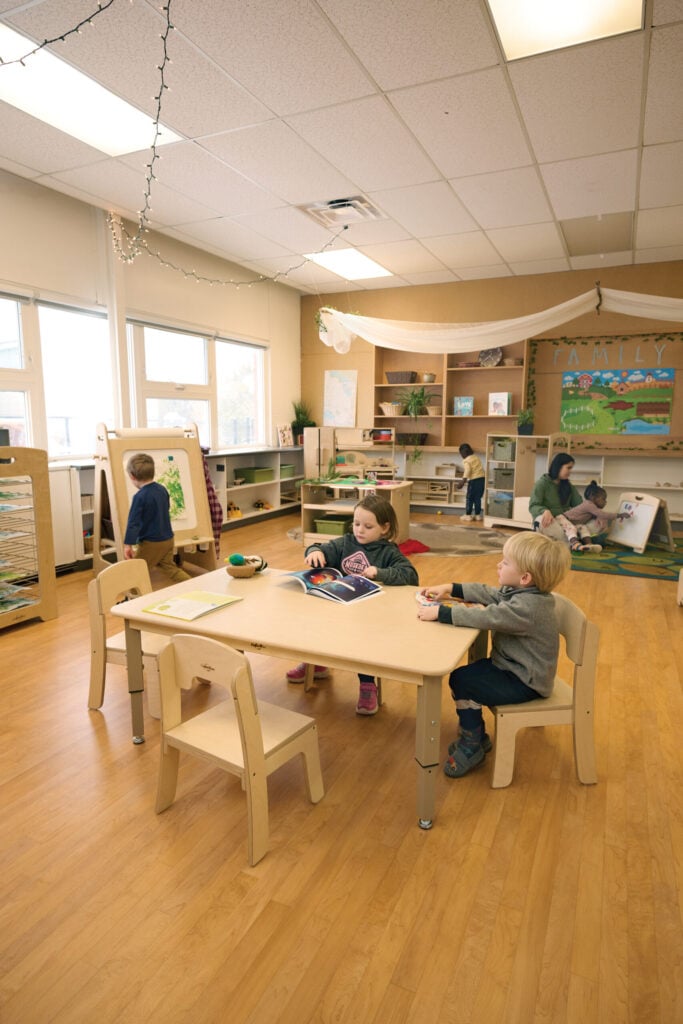
Even though preschool students spend most of their time playing, tables and chairs are still an essential part of any classroom. They’re used for everything from arts and crafts to snacks and other group activities.
When selecting tables and chairs, consider:
Consider how the furniture will be used throughout the day. A classroom that frequently transitions between individual activities and group projects may benefit from tables that can be easily rearranged, while dedicated activity areas may work better with more permanent setups.
>>LEARN: How to Choose the Right Tables and Chairs
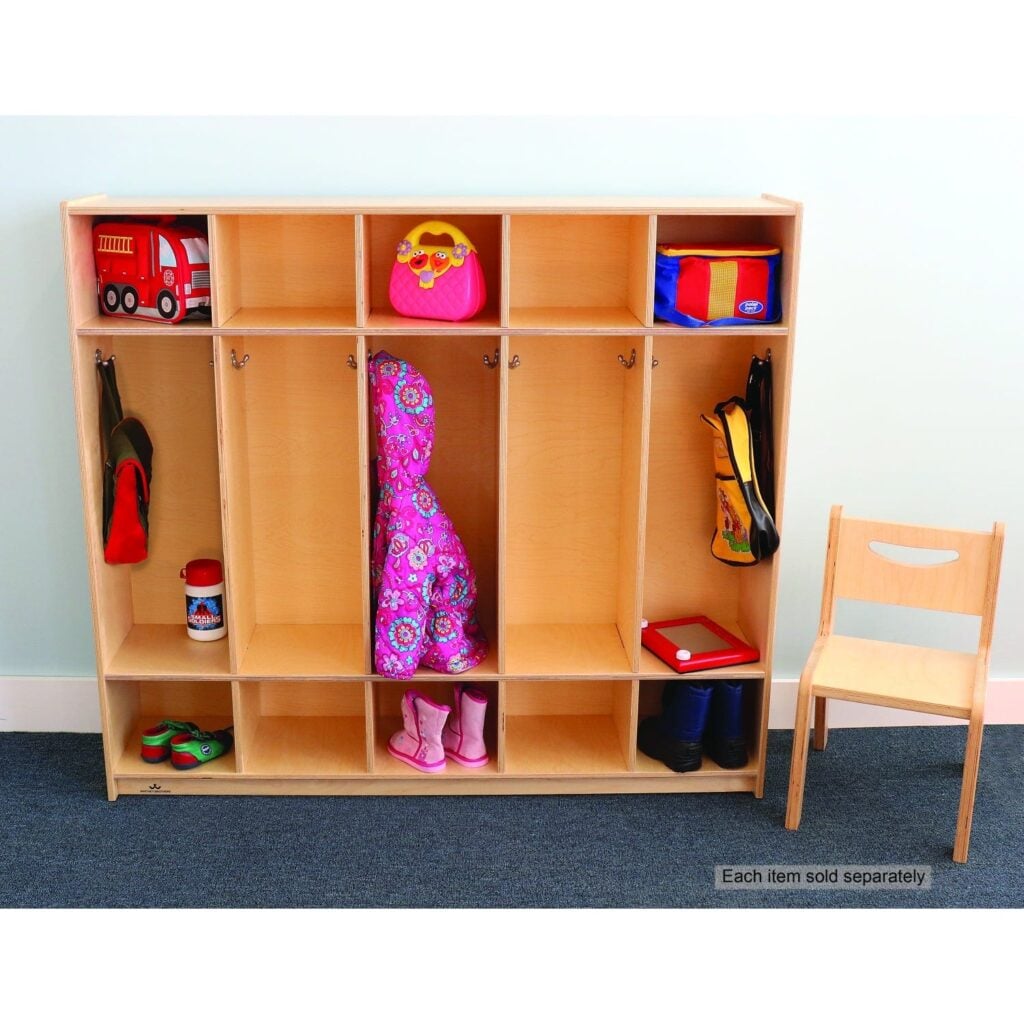
Preschoolers arrive with backpacks, jackets, lunchboxes, water bottles, and plenty of other personal belongings. Without a designated place for everything, the classroom entrance can quickly become cluttered.
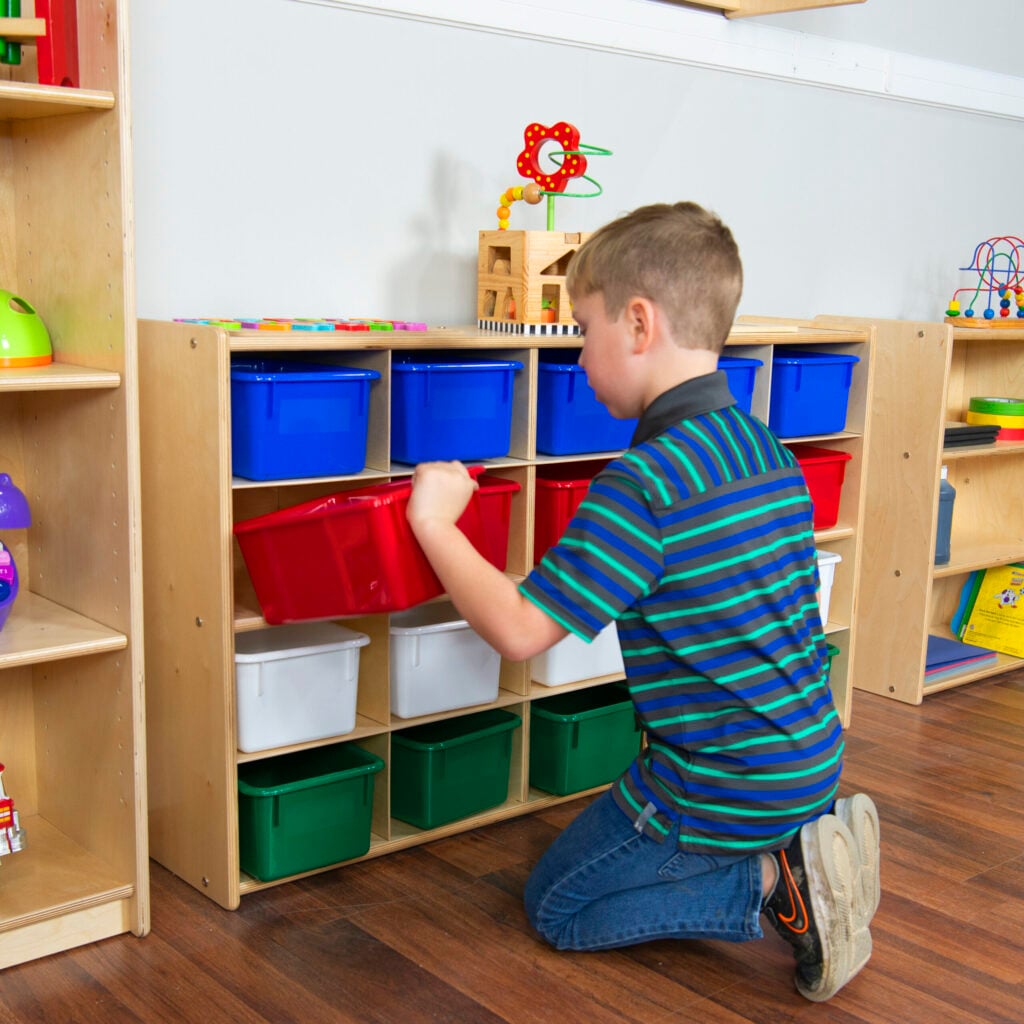
Open cubbies are especially practical for preschool classrooms because children can see where their belongings go and retrieve them with minimal assistance. Individual compartments also help prevent personal items from getting mixed together.

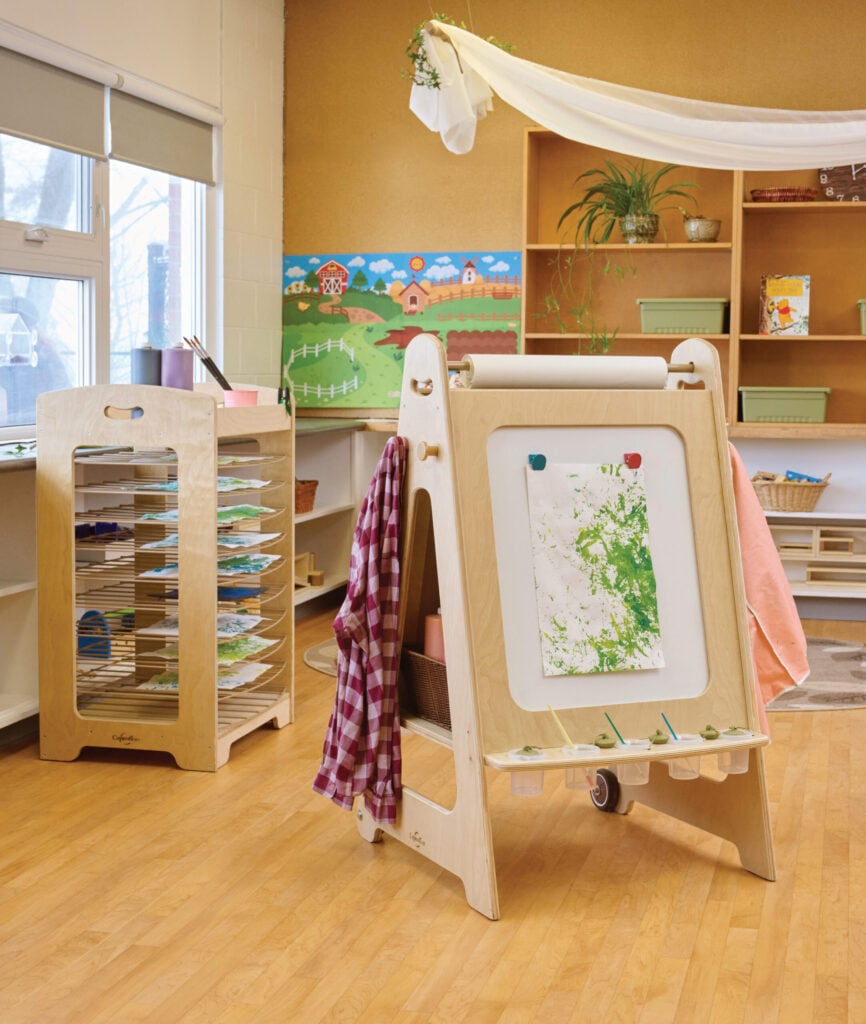
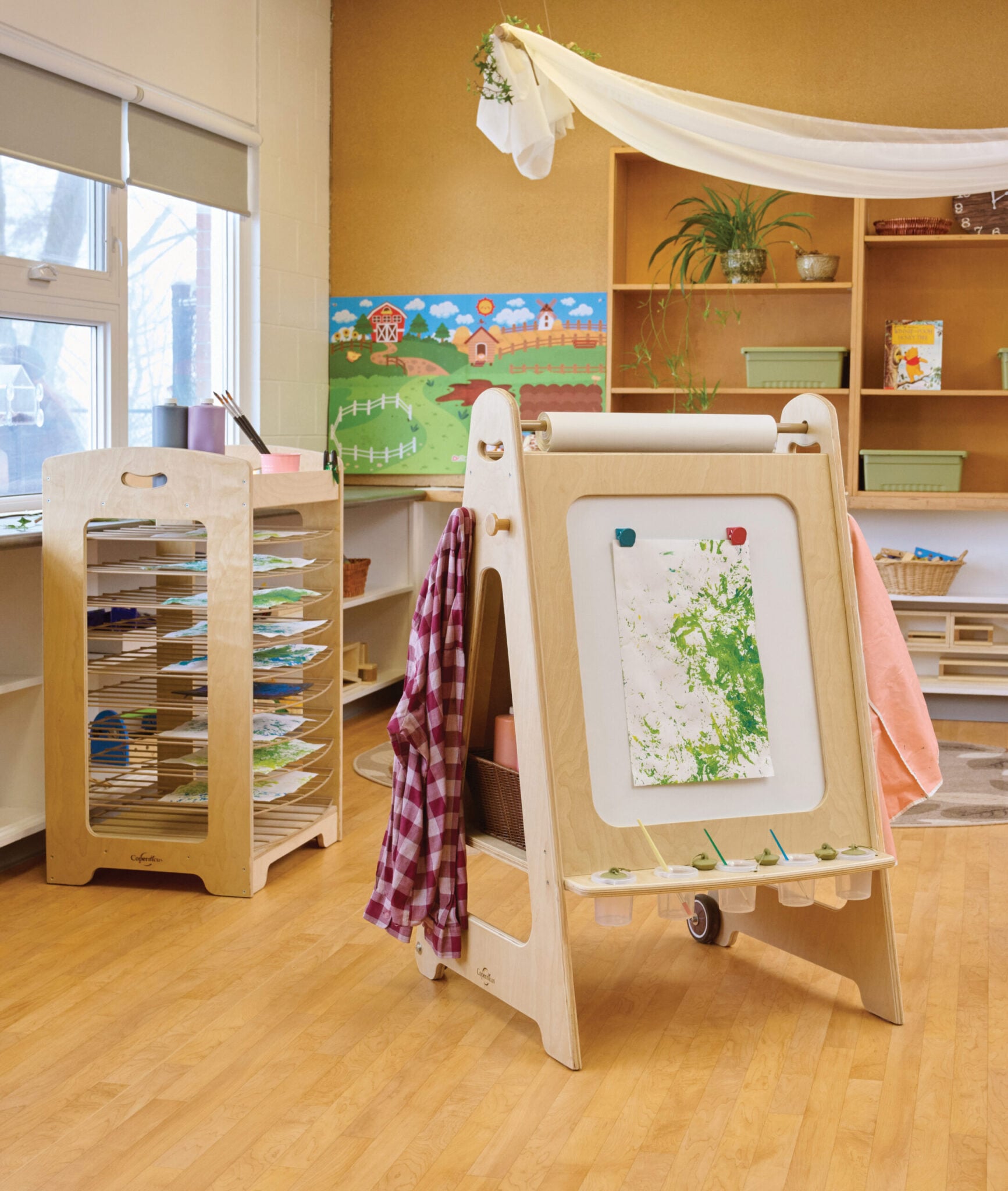
Painting, drawing, cutting, gluing, and other creative activities are preschool staples. An art area gives children opportunities to experiment with materials, express their ideas, and develop fine motor skills.
A well-equipped preschool art area might include:
Of course, all those materials need somewhere to go.
A combination of open shelving, supply trays, and storage cabinets can help keep the art area functional. Consider how children will access and return supplies. For example, separate containers for crayons, markers, and paintbrushes make it easier to find what they need without emptying an entire drawer.
Dramatic and pretend play is a regular part of preschool learning. Whether children are pretending to cook dinner, run a grocery store, or care for a baby, these activities give them opportunities to practice communication, cooperation, and problem-solving.
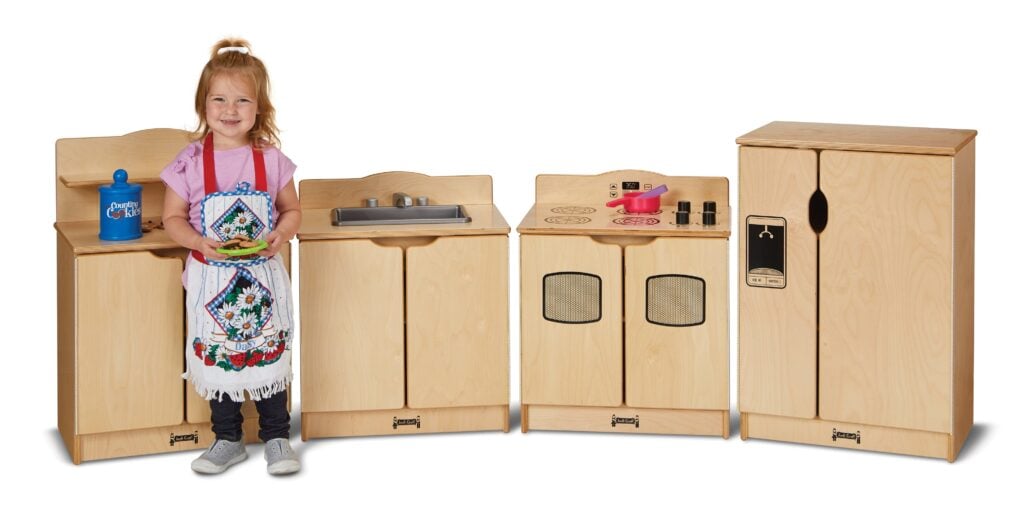
A dramatic play area doesn’t need to be elaborate. A play kitchen and a selection of props, such as dolls, play food, toy dishes, and dress-up clothes, can provide plenty of opportunities for imaginative play. Since these activities often involve numerous small accessories, it’s also important to consider how everything will be stored and organized.
Play kitchens with built-in cupboards and shelves provide convenient places for dishes and pretend food. Dress-up racks and costume storage units help keep clothing accessible, while baskets or bins can hold props that aren’t currently in use.
Every preschool classroom needs a place where children can explore books, listen to stories, and enjoy quieter activities.
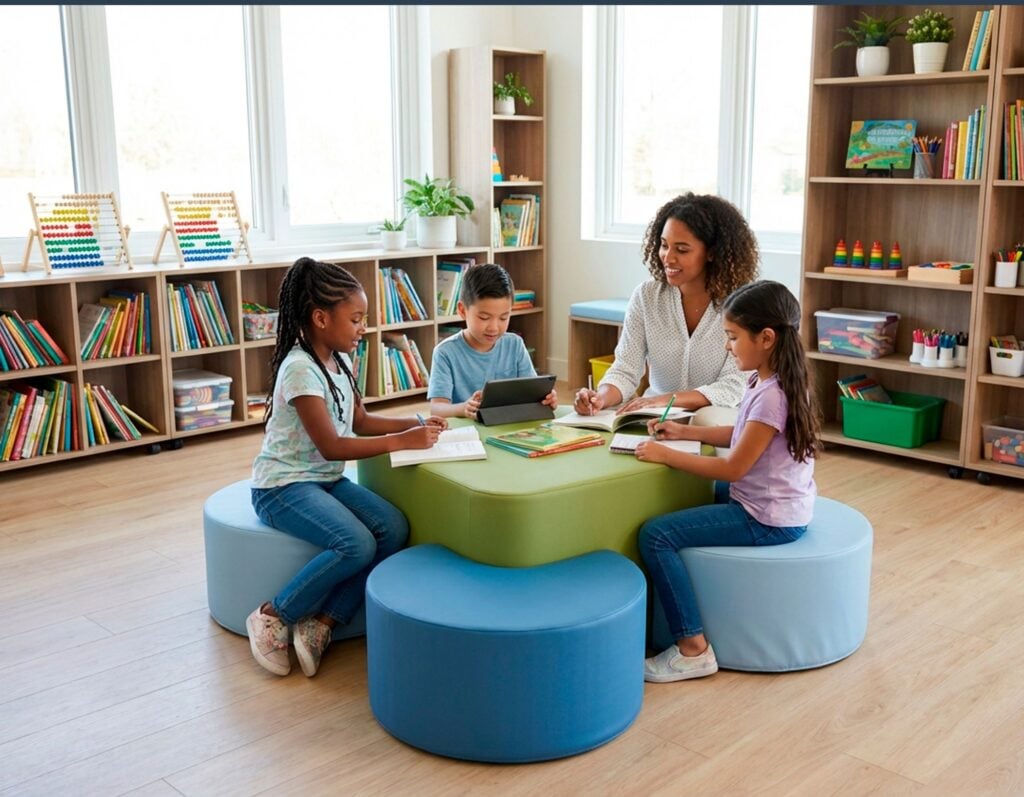
A reading area can be as simple as a comfortable rug, a few cushions, and a low bookshelf. In larger classrooms, a reading nook or loft can provide a more defined space away from noisier activities.
When choosing bookshelves, look for low, accessible designs that allow children to select and return books independently. Front-facing book displays are particularly useful for preschoolers because they can browse books by their covers rather than relying on titles printed on the spines. Traditional bookshelves can accommodate larger collections, while combination units with shelves and storage compartments provide space for books, puppets, and other reading-related materials.
>>MORE: Learn more tips for organizing books and media in your classroom
Blocks, puzzles, and other hands-on learning materials are essential additions to a preschool classroom.
Building activities allow children to experiment with shapes, sizes, balance, and spatial relationships. Puzzles, sorting games, and manipulatives offer opportunities to practice problem-solving, counting, matching, and fine motor coordination.
Consider including a selection of:
When setting up this area, consider how children will use the materials. Building blocks typically require open floor space, while puzzles and smaller manipulatives may be better suited to tables or other work surfaces. Placing low shelves along the edge of the activity area keeps materials nearby without taking up valuable play space.
Choose shelves with separate bins, trays, or compartments to keep different materials organized. Picture labels and clear containers can help children find what they need and put pieces away when they’re finished. For larger block collections, open shelving makes it easy to see the different shapes and sizes without having to dig through a bin.

Sensory activities give preschoolers opportunities to explore different textures and materials through hands-on play. Whether they’re scooping sand, pouring water, or experimenting with play dough, children can develop fine motor skills while exploring the world around them.
Sensory tables provide a dedicated space for these activities. Look for tables with easy-to-clean surfaces and removable tubs that make changing materials and cleaning up easier. Some also have covers that allow the table to serve as an additional work surface when it’s not being used for sensory play.
Keep scoops, cups, funnels, and other accessories organized in nearby bins or shelves so teachers can easily switch between activities. Tables with built-in storage can also help keep supplies close at hand without taking up additional classroom space.
Preschool classrooms need a designated space where children can gather for circle time, storytime, music, and group activities. A classroom rug helps define this area and gives children a familiar place to meet throughout the day.
When choosing a rug, consider the size of the group and the available floor space. Rugs with individual seating spots, shapes, or letters can help teachers organize group activities, while simpler designs work well in multipurpose spaces. Look for durable, easy-to-clean materials that can withstand daily classroom use.
Floor cushions and other soft seating options can provide additional flexibility, giving children comfortable places to sit during quieter activities or when working in smaller groups.
Preschool classrooms can be noisy, active environments. Having a quieter place available gives children somewhere to take a break from the activity around them.
A calming space doesn’t need to be a separate room. A small corner with a soft chair, cushions, or a child-sized retreat can provide a comfortable place to relax. Adding a small shelf or basket for books, sensory tools, and other calming materials gives children access to quiet activities without cluttering the space.

Beyond storage for individual activity areas, preschool classrooms need space for extra supplies, seasonal materials, and classroom equipment. Having dedicated storage for these items helps keep frequently used materials accessible without cluttering the classroom.
Open shelving works well for everyday supplies, while enclosed cabinets can keep less frequently used materials out of sight. Lockable cabinets provide secure storage for cleaning products and other items that children shouldn’t access. Mobile storage cabinets and carts are also useful for moving supplies between activity areas or classrooms.
Consider combining different types of storage furniture to accommodate both everyday classroom needs and supplies that only come out occasionally.
Think about the activities that happen every day, not just the ones that happen during structured learning time. Morning check-ins, circle time, and transitions between activities are all part of the preschool day, and having the right materials can help these routines run smoothly.
Some useful classroom essentials include:
From tables and chairs to dramatic play furniture, art easels, sensory tables, and classroom storage, Kindermark Kids offers furniture and learning materials designed for early childhood environments.
Whether you’re furnishing an entire preschool classroom or updating a few activity areas, explore our collection of classroom furniture, storage solutions, and educational toys to find options that fit your space and your students’ needs.
Not sure where to start? Contact our team today and we’ll help you plan the preschool classroom that fits your space and budget.