
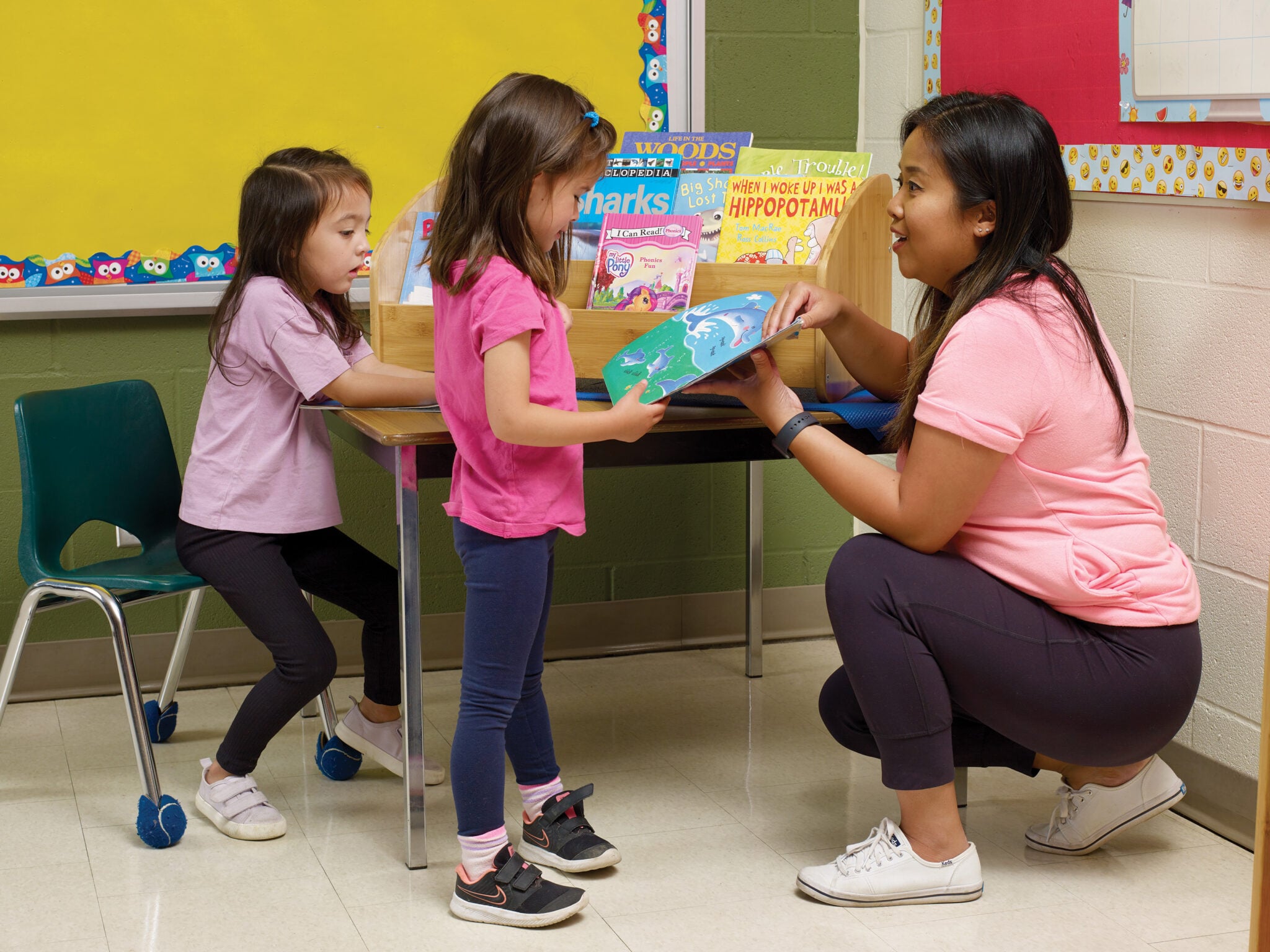
Creating a well-organized classroom or daycare environment is essential for early literacy and independent learning. Whether you run a Montessori program, a preschool classroom, or a full-day kindergarten, the right children’s books and media display can make a big difference in how kids interact with stories, music, and educational content.
Closed cabinets and hidden bins often keep learning materials out of sight and out of mind. Open and easily accessed storage encourages children to explore, choose, and engage with literacy resources every day, nurturing lifelong readers.
Young children are naturally curious, and how you present materials can encourage that curiosity. Books, magazines, and learning media that are out in the open and easy to reach become an invitation to explore.
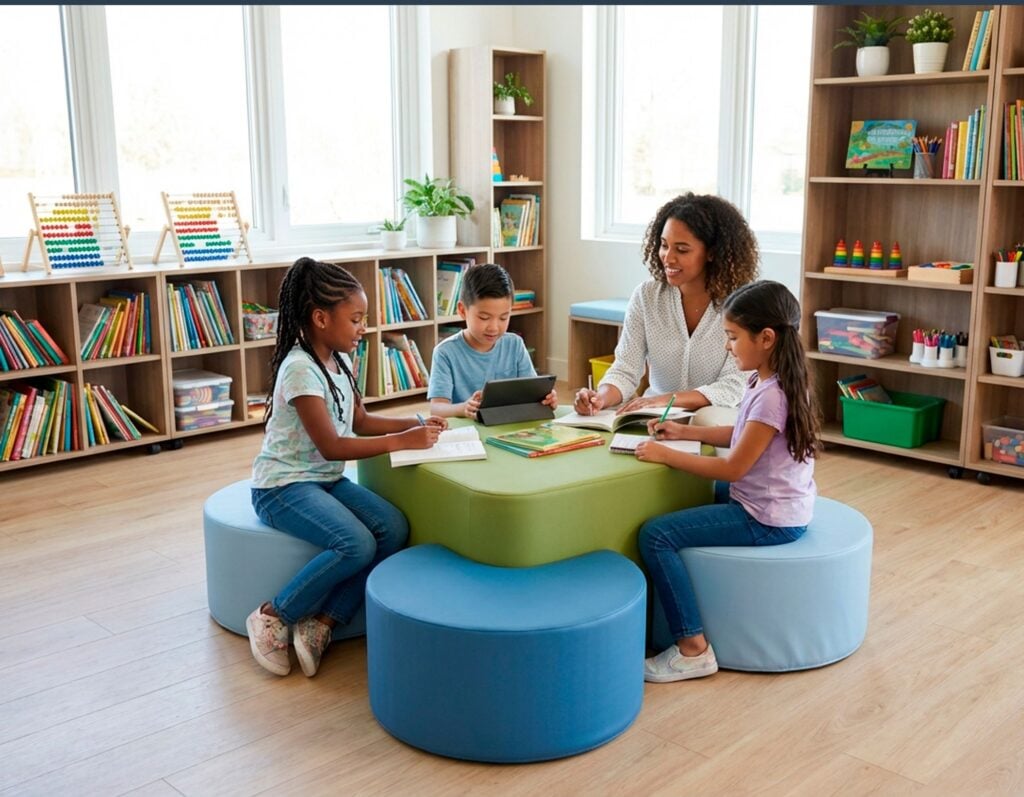
As far back as 1982, researchers found that how reading materials are displayed in the classroom significantly impacts how often children choose to read during their free play time. Specifically, researchers found that designated library corners in early learning classrooms encourage young children to read and engage in other literacy activities. That library corner should be:
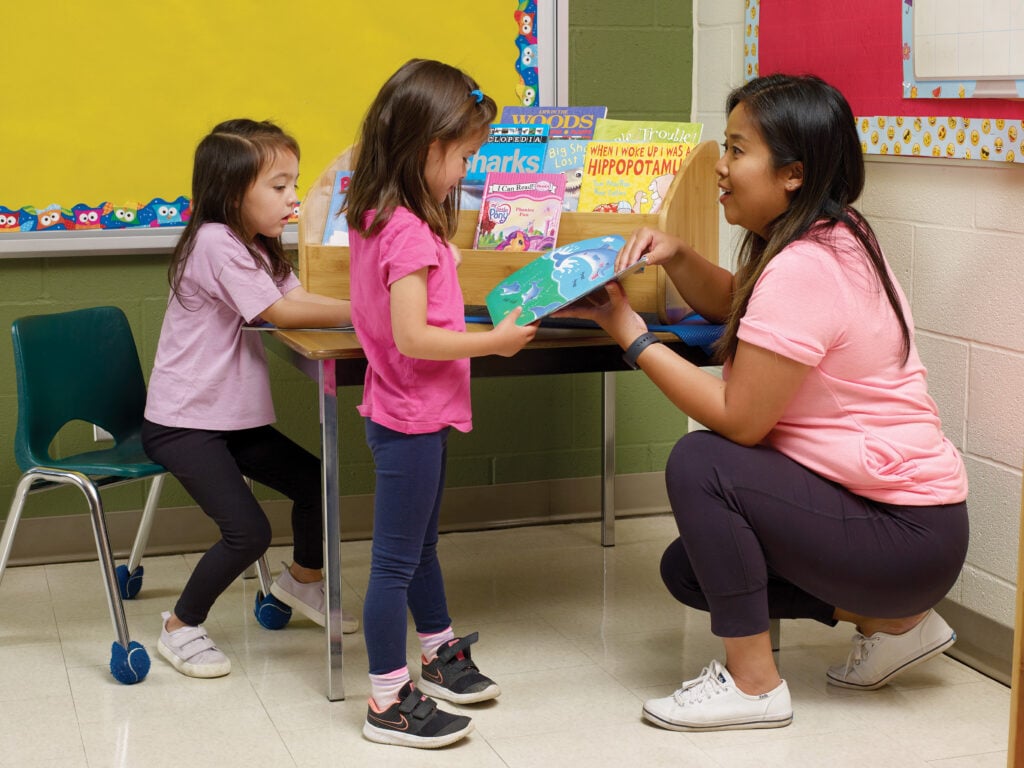
The library corner should also include two types of bookshelves. The first holds books the “traditional” way, with the spine facing out. The second bookcase has open-face shelving so children can see the front cover of the book or other media.
That may seem like a lot, especially in smaller classrooms, but the impact on young readers is enormous.
When children are allowed to pick which books and media to engage with, you’re empowering them to make their own reading and literacy choices. They learn how to be independent and are more likely to keep coming back to the reading corner when they have free access to the things they like.
Children are more likely to choose reading during free play when the space is inviting, cozy, and well-organized. Setting up a space that does all these things fosters a love of reading and helps develop crucial literacy skills from an early age.
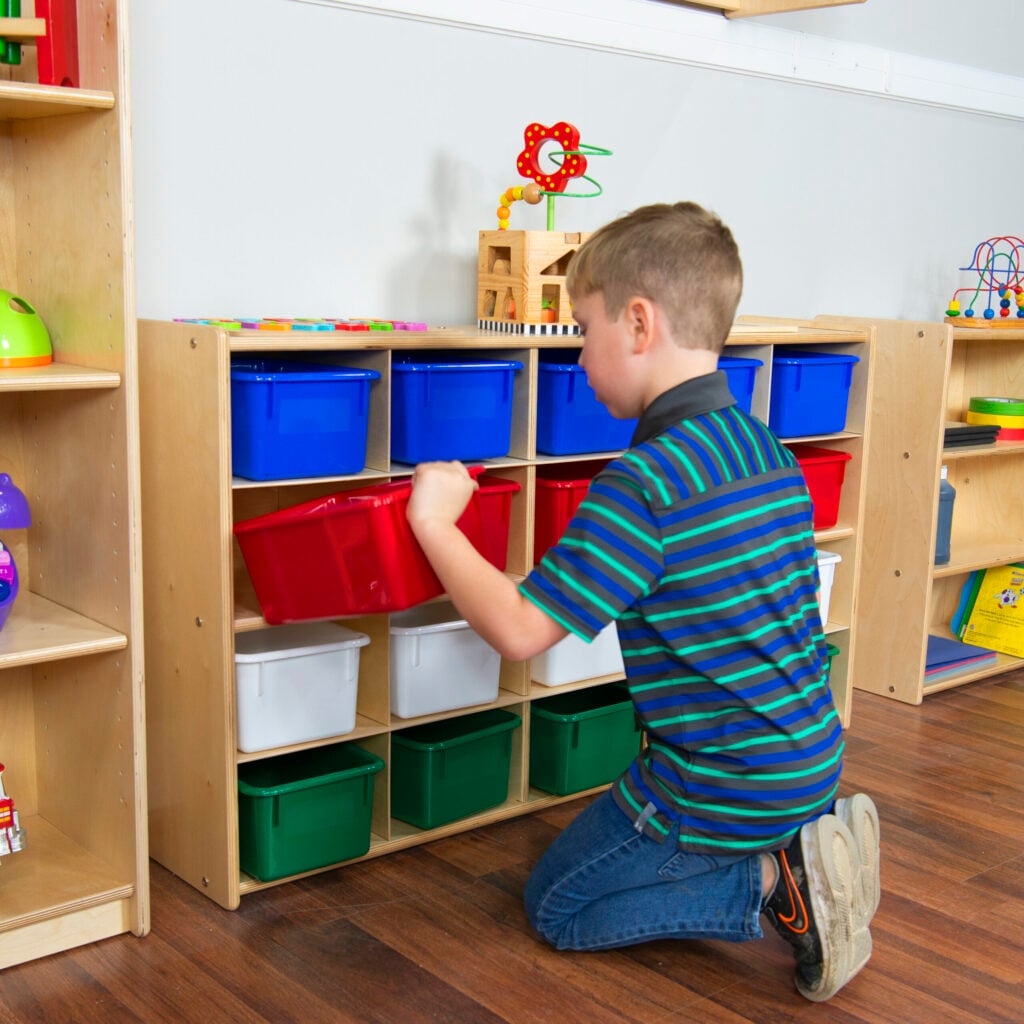
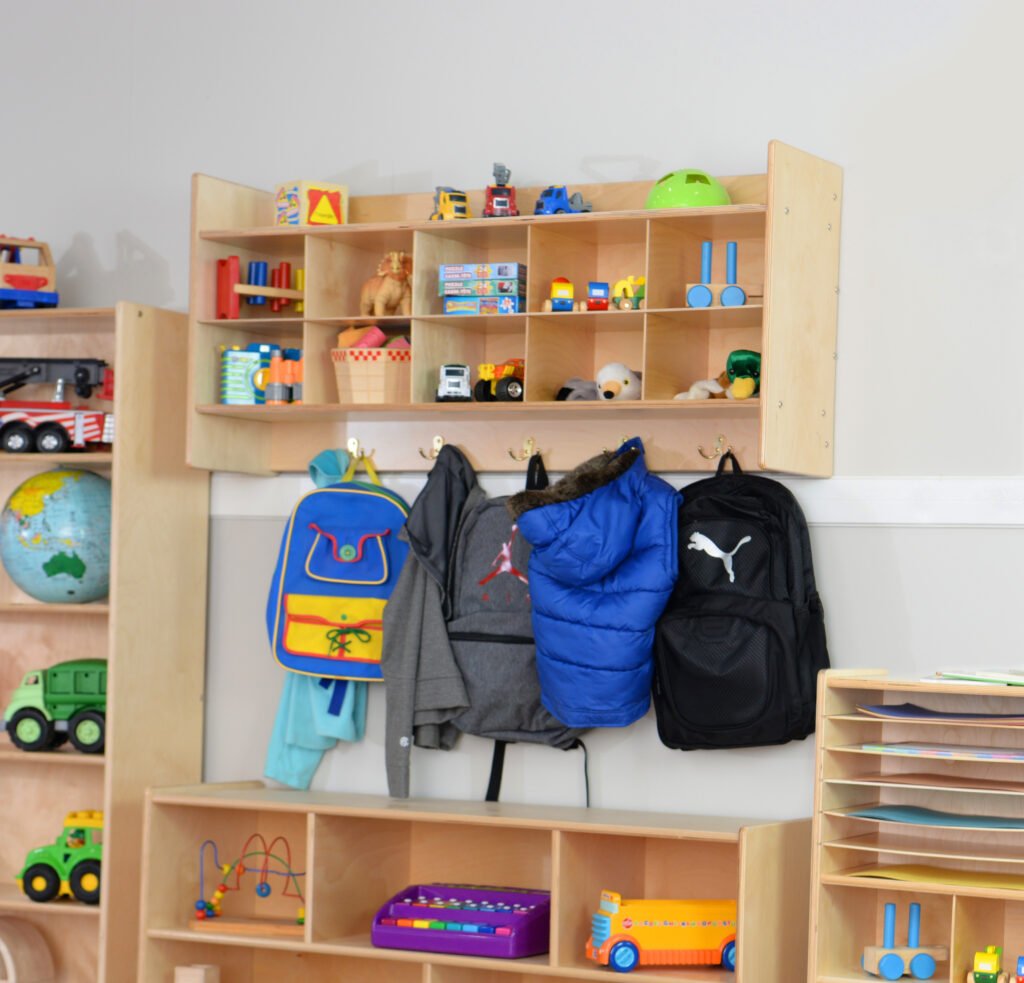
Bookshelves and storage bins of all kinds help keep your classroom and library corner neat and tidy. Every book and activity has a designated spot and, over time, children understand where each book belongs when free play is over. When it’s clean-up time, every child knows where every book goes, helping them develop responsibility for their environment and ensuring books don’t get lost.
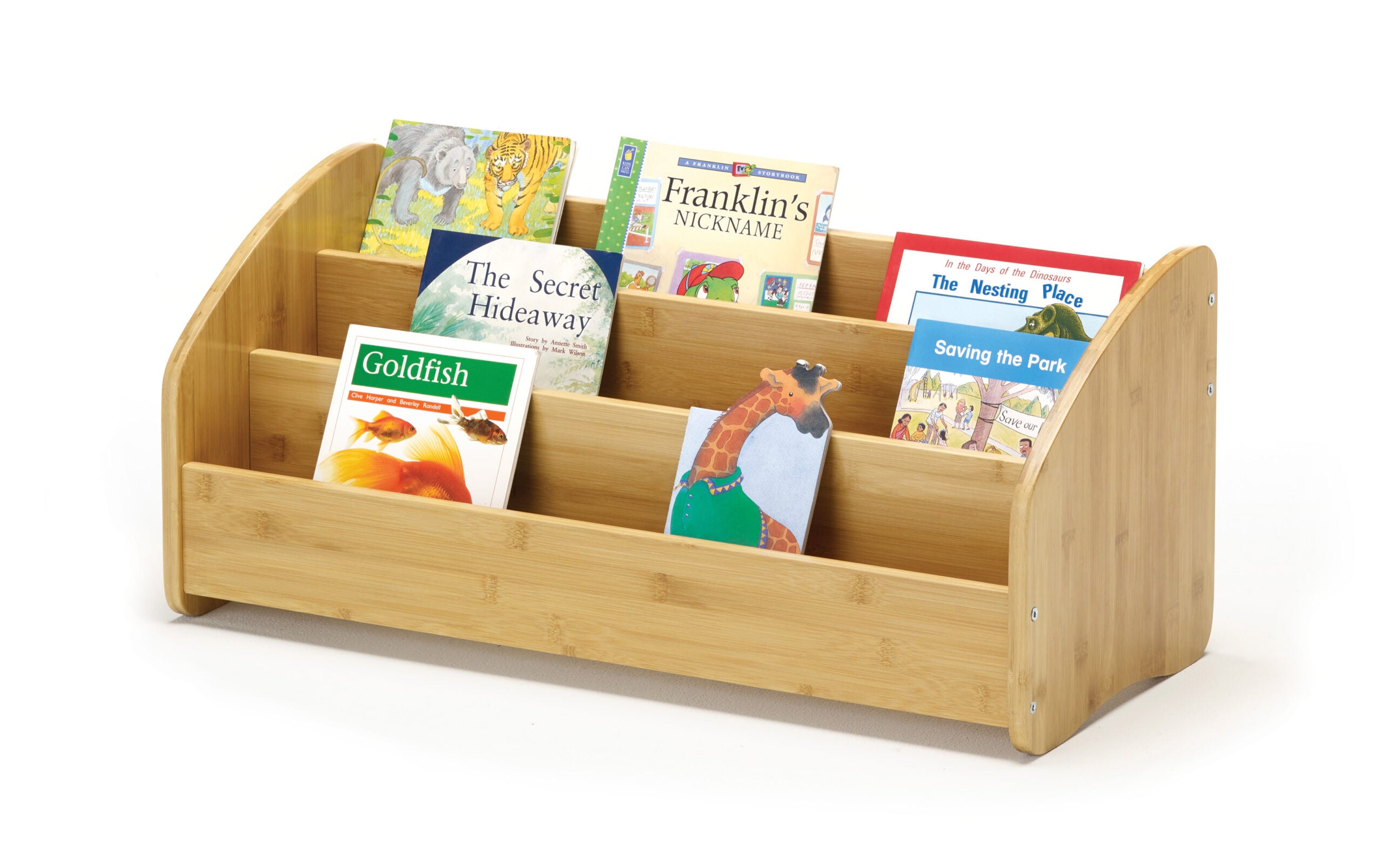
When it comes to furnishing your library corner, there’s a lot to choose from. But if you’re tight on space, consider items that do double duty or are flexible. Look for furniture that’s:
Even the coziest and cutest reading corner can become the least used area of the classroom if it isn’t organized. But there’s more to it than keeping books clean and neat. Balancing the amount of materials with freshness is just as important.
While kids love to read the same books over (and over and over), switching things up regularly keeps kids engaged and challenged. Switch out some of the titles every week or every other week, while keeping certain favorites around for longer. Kids can still read the stuff they love while challenging themselves with new vocabulary and plot lines.
While quality books and literacy material are important, so is keeping the right amount of materials at hand. Too few and kids may get bored with reading quickly. Too many and they may be overwhelmed by all the choices. Limit what’s out at any given time to ensure there’s enough material for everyone who wants to read.
Categorizing your books and literacy materials also teaches children additional literacy concepts. First, it teaches them that certain things can be grouped together, like animals or science. Once they master that concept, they start to learn that this categorization can apply elsewhere — like at libraries outside of the classroom.
Open and visible book and media storage is one of the simplest yet most effective ways to boost literacy in the classroom. By giving children the power to choose books independently, teachers cultivate curiosity, responsibility, and a genuine love for reading—skills that will last a lifetime.
At Kindermark Kids, we offer a curated selection of book and media storage solutions designed specifically for early learning environments. Whether you need a mobile book display, a Montessori-style bookshelf, or a classroom media organizer, we’ve got options that balance durability, design, and child accessibility.
Explore our collection today and build a space that sparks a lifelong love of reading our contact us to learn more about our solutions,