
Keeping a classroom organized can feel like a never-ending task. Between backpacks, art supplies, books, toys, and learning materials, even a well-organized space can quickly become cluttered, especially when you’re working with young children.
But classroom storage and organization is about more than finding a place for everything (and keeping it in its place!). It’s also about making supplies easy to find and creating a space where children can learn, play, and move independently.
Before rearranging shelves and bookcases or adding more storage furniture, think about what you need to store and who needs access to it. For example:
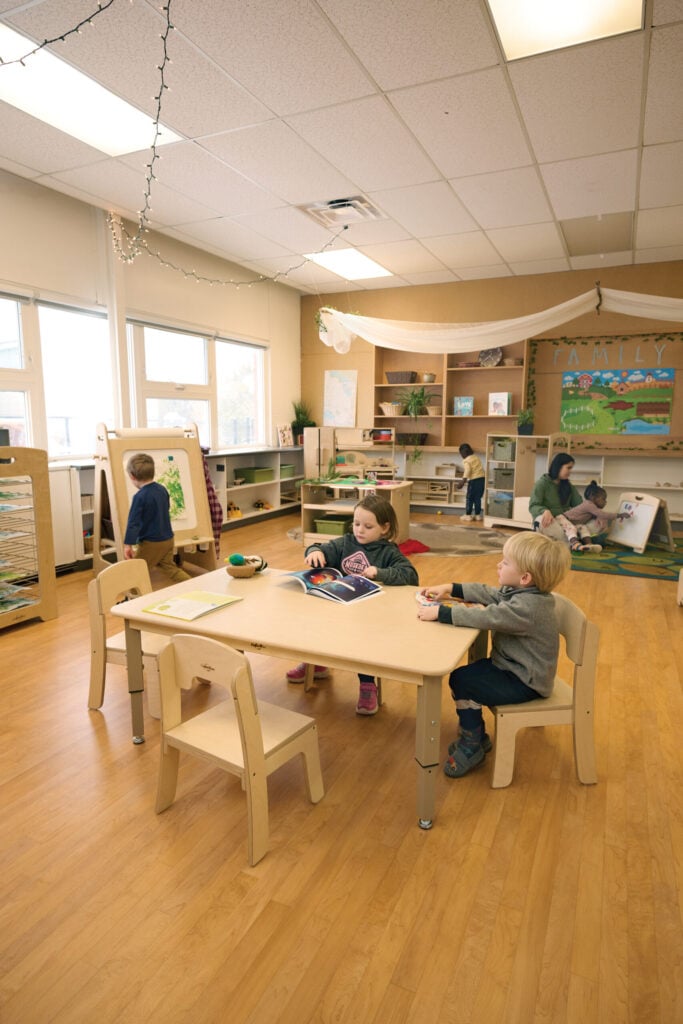
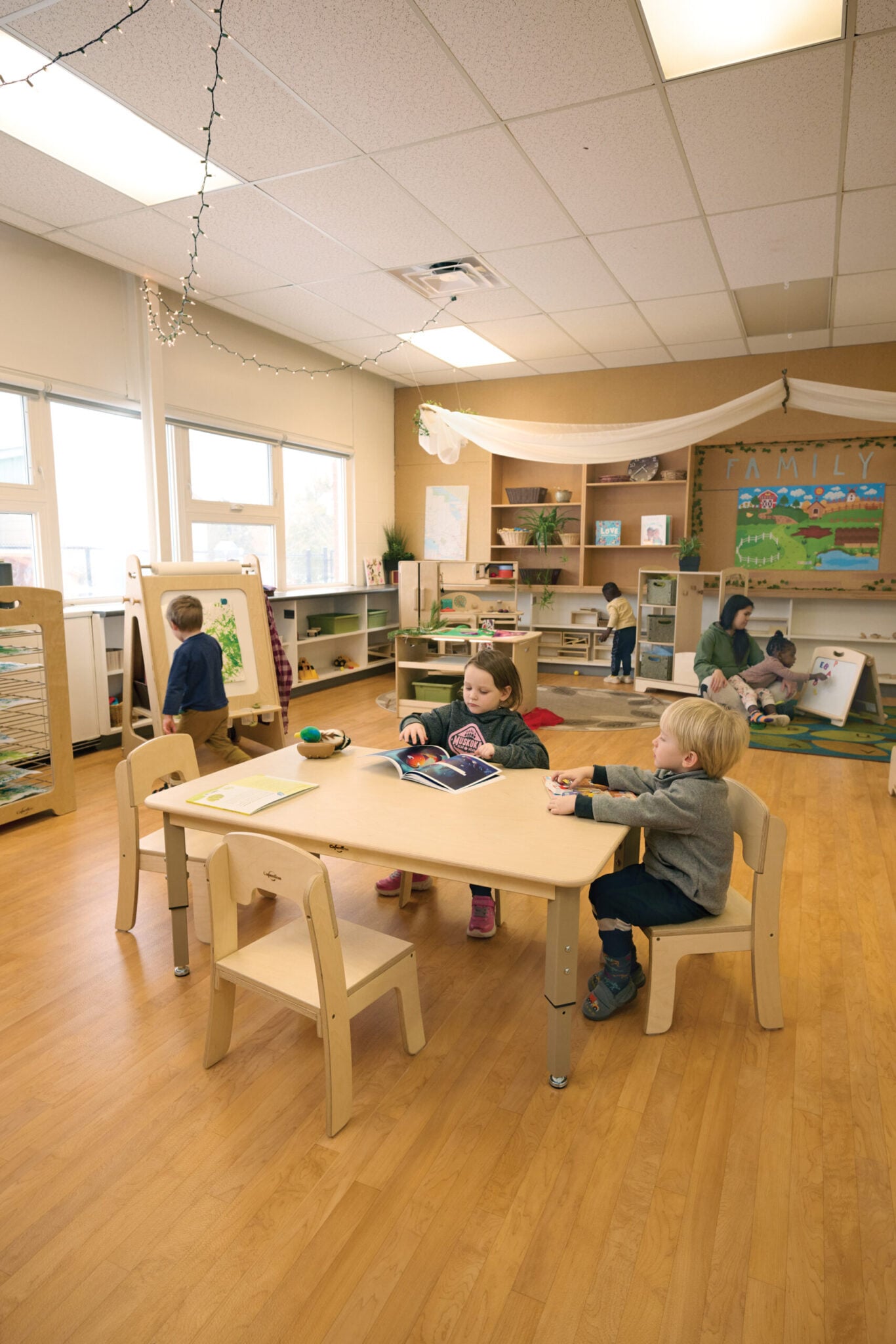
From art projects and sensory play to reading and nap time, classrooms accommodate a wide variety of activities throughout the day. Each comes with its own storage challenges, and what works for one area may not be practical for another. With the right storage setup, teachers can keep materials close to where they’re needed, make cleanup easier, and help children move between activities with less disruption.
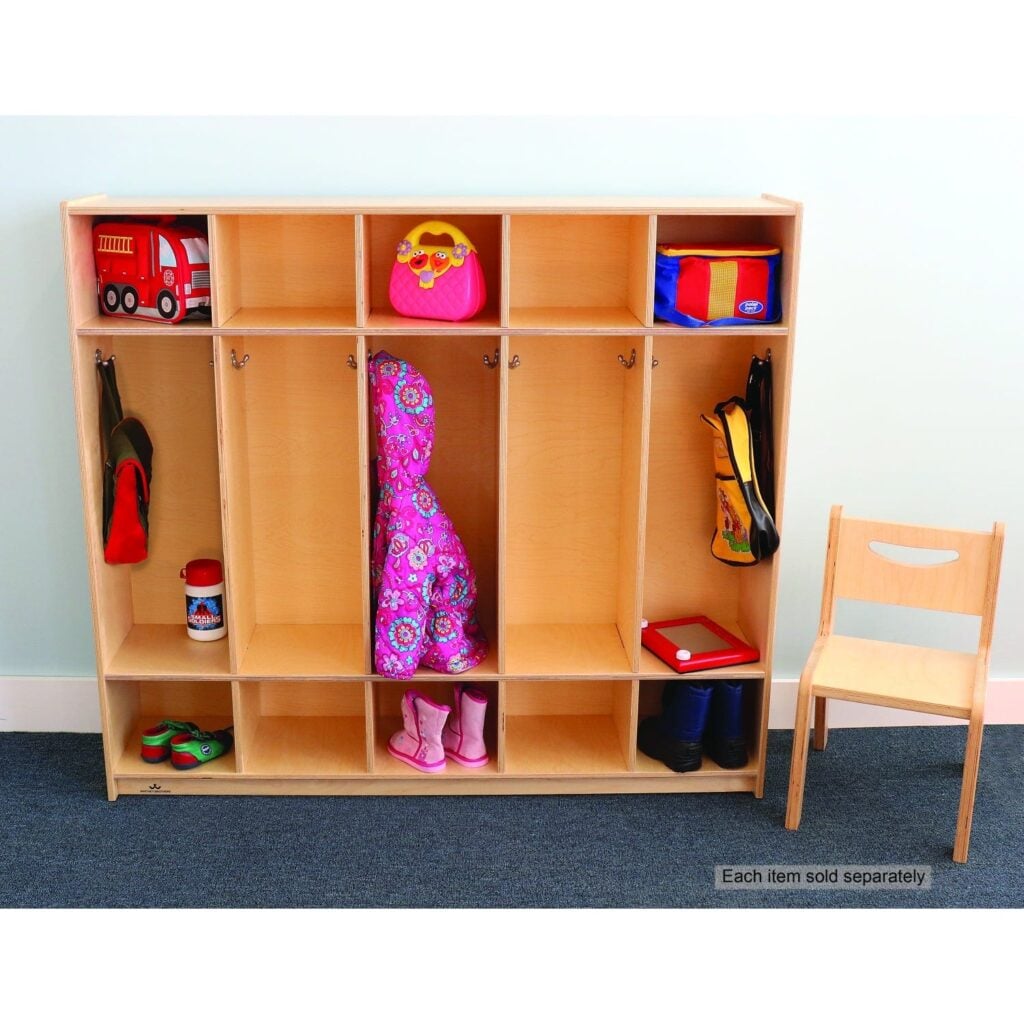
The beginning and end of the day are busy. Children arrive with backpacks, lunchboxes, jackets, and other personal belongings, all of which need somewhere to go.
Cubbies are a popular option for daycare and preschool classrooms because they provide designated spaces for children’s backpacks, lunchboxes, extra clothing, and other personal belongings. Some have built-in hooks for jackets or removable bins for smaller items. Coat racks and wall-mounted hooks are another option, particularly when floor space is limited. For older students who need to store textbooks, school supplies, and personal belongings throughout the day, lockers may be a better fit.

Toys are essential in early childhood classrooms, but they can also be one of the biggest sources of clutter.
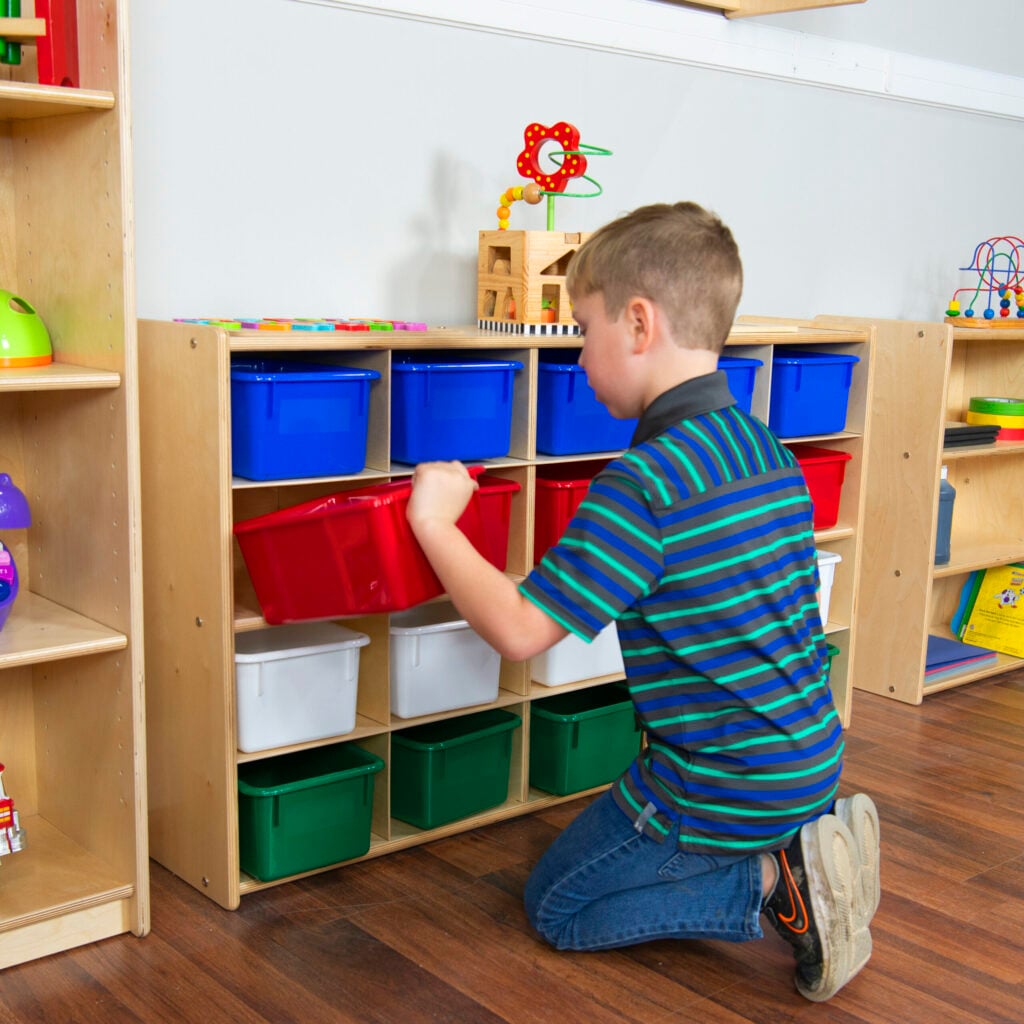
Instead of keeping everything in one large toy box, organize play materials by type or activity. Blocks and construction toys can be stored in sturdy, open bins that make it easy for children to find the pieces they need. Puzzles are often better suited to shelves or racks that keep them flat or upright, while board games and other activities with multiple pieces can be stored in labeled containers to prevent pieces from getting mixed up or lost.
Open shelving lets children see what’s available without having to dig through containers. Smaller toys can be organized in shallow trays or baskets, making it easier for children to take out one activity at a time and return it when they’re finished.
Dramatic and pretend play encourages children to use their imaginations, explore different roles, and practice social skills. But costumes, play food, dolls, puppets, and other accessories can quickly overwhelm a classroom.
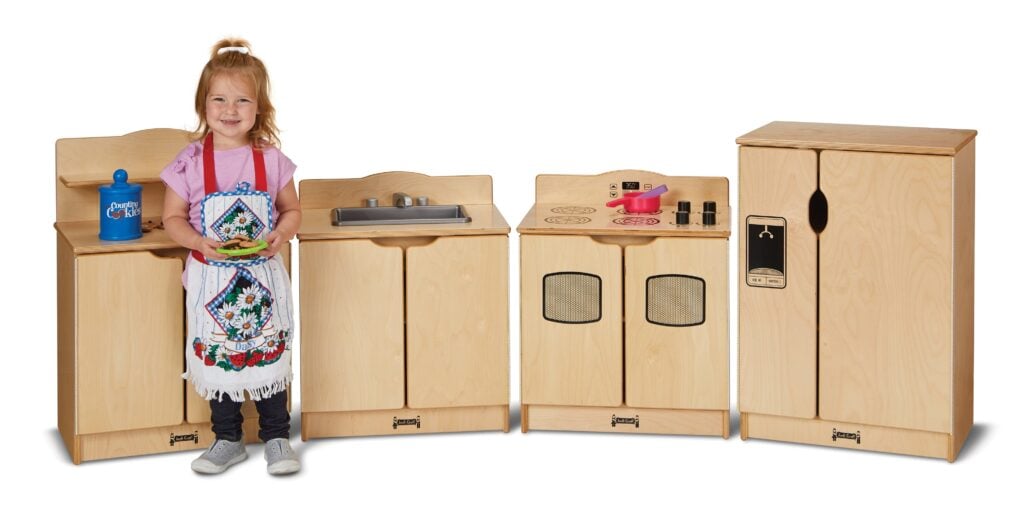
Dress-up clothes can hang on racks or hooks, while baskets or cubbies can hold hats, shoes, and other costume accessories. For play kitchens and pretend grocery stores, use shelves and bins to keep dishes, utensils, play food, and shopping accessories grouped together.
Puppets may need different storage depending on their size and design. Puppet stands and hanging organizers can keep larger puppets accessible without crushing them, while shallow baskets or bins work well for smaller hand and finger puppets.
From finger painting to construction paper crafts, art activities require a surprising amount of storage space, particularly in preschool and kindergarten classrooms where art is part of the daily routine.
Start with whether students use their own art supplies or share materials with the rest of the class. For individual supplies, labeled pencil boxes, bins, or cubbies can help children keep track of their crayons, markers, scissors, and other materials.
Shared supplies may be easier to organize in communal containers. Divided caddies can hold crayons, markers, and colored pencils, while shallow bins or trays work well for glue sticks, scissors, and other frequently used materials. In classrooms where children work at multiple tables, portable supply caddies make it easy to distribute materials and collect them when an activity ends.
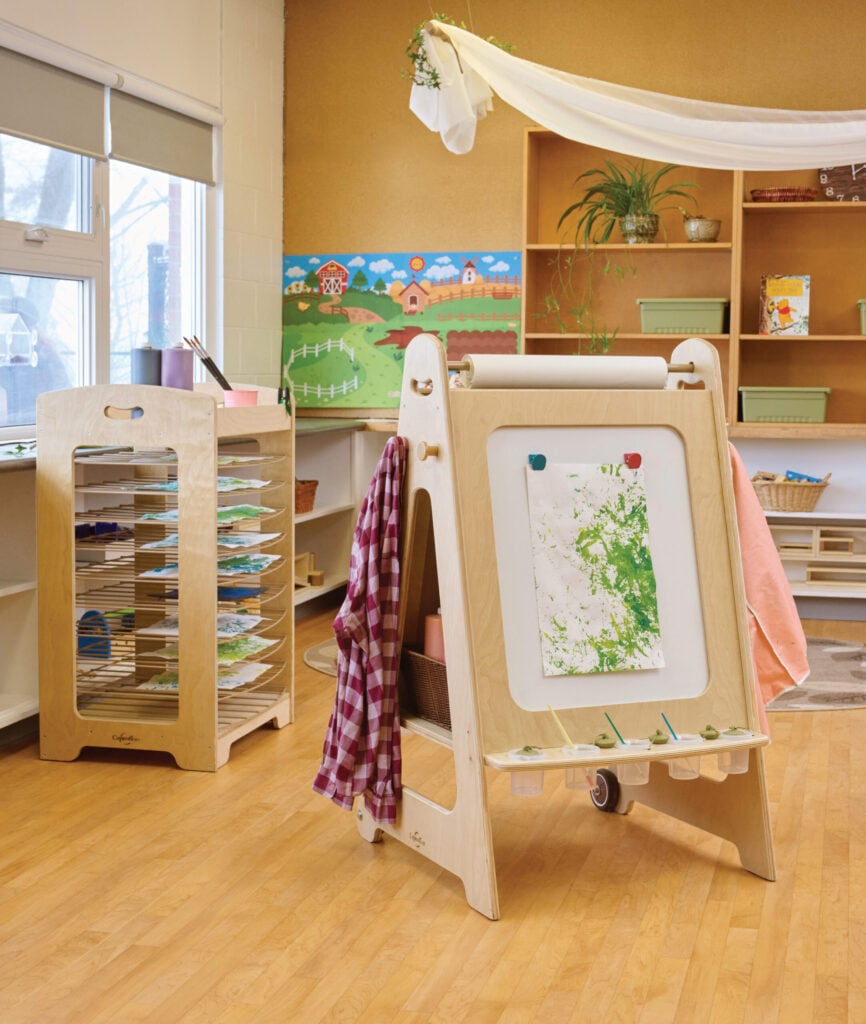
Larger materials need their own storage solutions. Flat shelves or paper organizers can keep construction paper, cardstock, and drawing paper from getting bent or damaged. Paint bottles, brushes, and other potentially messy supplies can be stored in cabinets or on easy-to-clean shelving, with materials requiring supervision kept out of children’s reach.
Don’t forget about storing artwork itself. Individual folders or trays give children a place to keep unfinished projects without disturbing them, while drying racks allow paintings and other wet artwork to dry before being displayed or sent home. Finished projects can then be collected in labeled folders, bins, or portfolios until they’re ready to go home.

Sensory play is a regular part of many daycare and preschool programs, but materials such as sand, water-play accessories, scoops, funnels, textured objects, and sensory toys can be challenging to organize.
For water play, consider keeping cups, funnels, floating toys, and other accessories in mesh organizers or containers with drainage holes. Dry sensory materials can be stored in containers with secure lids to prevent spills, with smaller bins or trays for scoops, molds, and sifters.
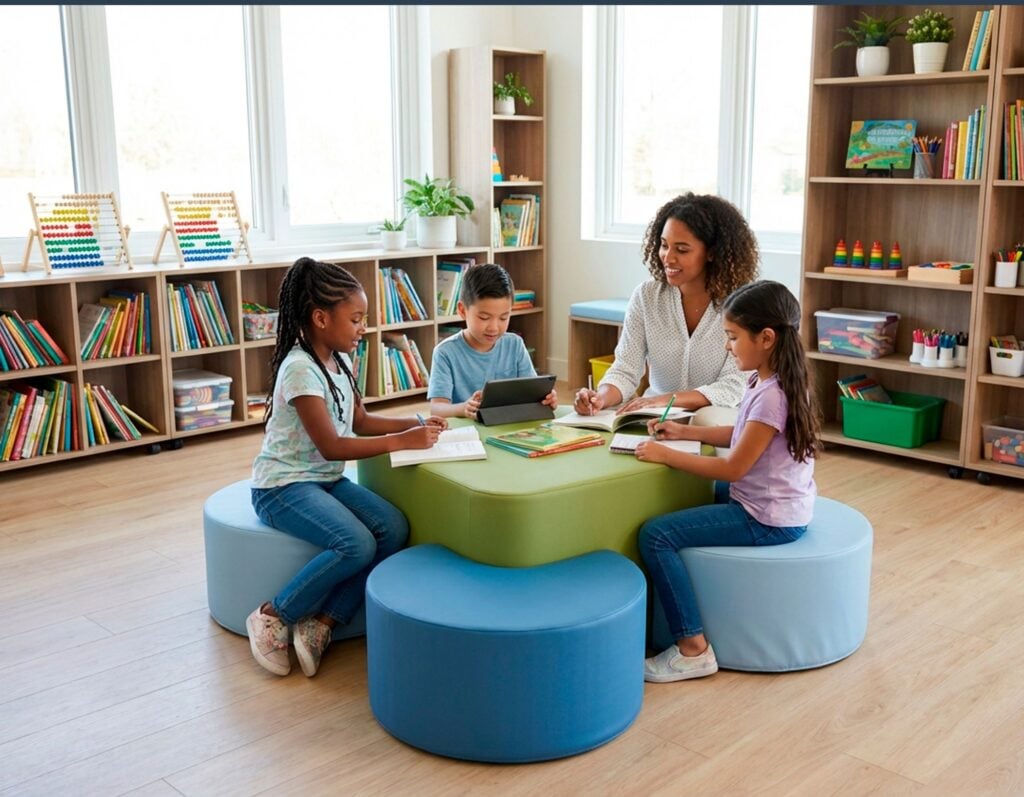
Front-facing displays help children recognize books by their covers, while traditional bookshelves may be more practical for older students with chapter books, reference materials, and larger collections.
For dedicated reading corners, keep bookshelves and displays close to seating areas. Mobile book carts or rolling shelves are another option for classrooms where reading activities take place in different locations.
>>MORE: Check out our guide to book and media storage for classrooms for more tips and tricks.
Beyond toys, books, and art supplies, classrooms need storage for, well, everything else!
File folders, document trays, and divided organizers can keep worksheets and activity sheets separated by subject or lesson. Pocket charts and hanging organizers work well for flashcards and alphabet cards, while flat storage drawers or poster tubes can protect larger charts, maps, and posters from damage.
For hands-on learning activities, individual trays or baskets can keep all the necessary components together. In classrooms with learning stations, these materials can be organized by subject or activity, with separate storage for literacy, math, science, and other instructional resources.
Nap time brings its own storage challenges. Cots, rest mats, blankets, sheets, and other personal items all need somewhere to go when they’re not being used.
Stackable cots and folding rest mats can help conserve floor space, especially in classrooms that double as nap rooms. Dedicated storage carts allow teachers to stack and transport multiple cots or mats at once, making it easier to move them into a storage closet, an adjacent room, or another out-of-the-way location when nap time is over.
For classrooms with limited storage space, consider the dimensions of the cots or mats when they’re stacked or folded, as well as space to accommodate a storage cart. This can help ensure that rest equipment fits where it’s supposed to go without blocking walkways or taking up space needed for other activities.
From bulky ride-on toys and playground equipment to smaller items like balls, gardening tools, and sand toys, keeping outdoor toys organized requires storage solutions that accommodate a wide range of sizes and shapes.
For larger items, such as tricycles, scooters, and ride-on toys, consider storage racks or designated parking spaces that keep equipment organized rather than scattered across the playground. Balls and smaller playground toys can be stored in large bins, baskets, or rolling containers, making them easier to collect and put away after playtime.
Outdoor storage also needs to withstand the elements. Weather-resistant cabinets, storage benches, and containers with secure lids can help protect toys and equipment that remain outside.
Not everything in a classroom needs to be accessible to students. Teachers need a designated spot for their supplies, too.
Filing cabinets and drawers can help organize lesson plans, student records, and paperwork, while cabinets with adjustable shelves can accommodate larger teaching materials, extra supplies, and classroom equipment. Lockable cabinets are also useful for records, cleaning products, and other materials that need to be kept out of children’s reach.
Desk organizers and drawer dividers can help keep things within reach without cluttering work surfaces while bulk supplies can be stored in labeled bins or cabinets.
Daycare classrooms have additional storage needs. Shelves, drawers, and labeled bins can help staff keep supplies like diapers and wipes separate from construction paper, while individual cubbies or compartments can accommodate children’s spare clothing and personal care items.
The size and layout of a classroom can influence which storage solutions work best. Smaller rooms may need furniture that serves multiple purposes, while larger or shared spaces may require a different approach to organizing materials.
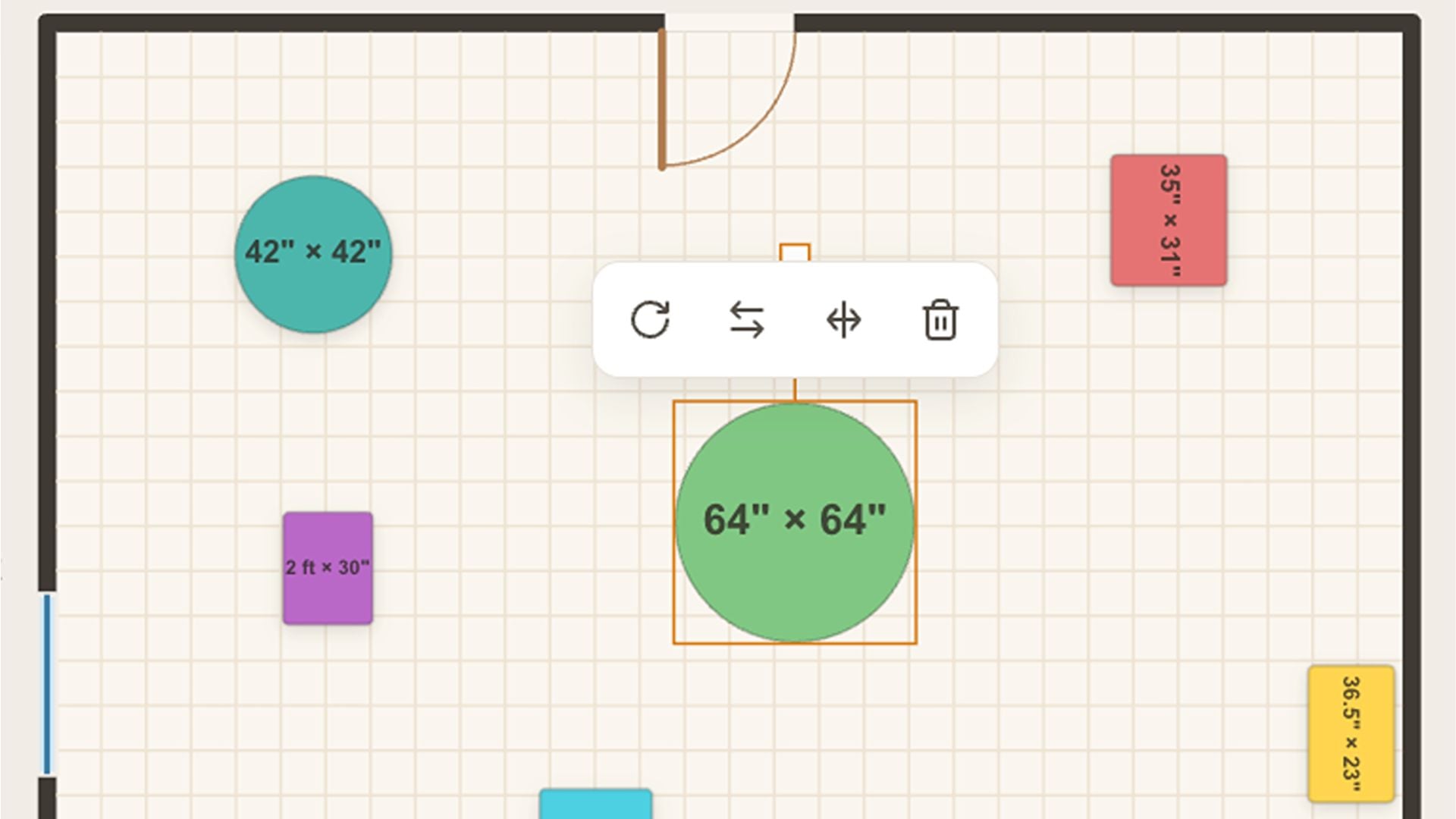
Not sure where to start? Use our space planning tool to figure things out.
In smaller classrooms, the goal is to maximize storage without making things feel cramped or crowded.
Tall cabinets and shelving units can take advantage of vertical space, while low shelves can double as storage and dividers between learning areas. Multifunctional furniture, such as storage benches and activity tables with built-in compartments, can also reduce the need for separate storage units.
Larger classrooms may have more room for storage, but keeping supplies organized across multiple learning areas can be challenging.
Instead of relying on one central storage area, consider placing smaller storage stations throughout the classroom. Supply carts or cabinets near activity tables allow children and teachers to access materials without crossing the room, while storage along the perimeter can accommodate larger shared equipment.
In classrooms with multiple teachers or groups, labeling storage by activity or classroom area can help everyone find and return materials to the correct location.
Some classrooms serve several purposes throughout the day, transitioning between learning activities, meals, nap time, and play. Others may be shared by different age groups or programs.
Shallow bins and trays make it easier to clear activity tables when they’re needed for something else, while stackable furniture and foldable equipment can free up floor space. For rooms shared by different groups, assigning each program its own labeled cabinets or storage compartments can keep materials separated and reduce setup time between sessions.
An organized classroom gives children room to explore, learn, and play while making daily routines easier for teachers and caregivers.
At Kindermark Kids, we offer classroom storage furniture designed for daycare centers, preschools, kindergartens, and elementary schools. From cubbies and shelving to mobile storage and cabinets, our collection includes options for different classroom sizes, layouts, and learning needs.
Not sure where to start? Contact us today and connect with our team. We’ll walk you through all the options and help you figure out the best storage solutions for your classroom.