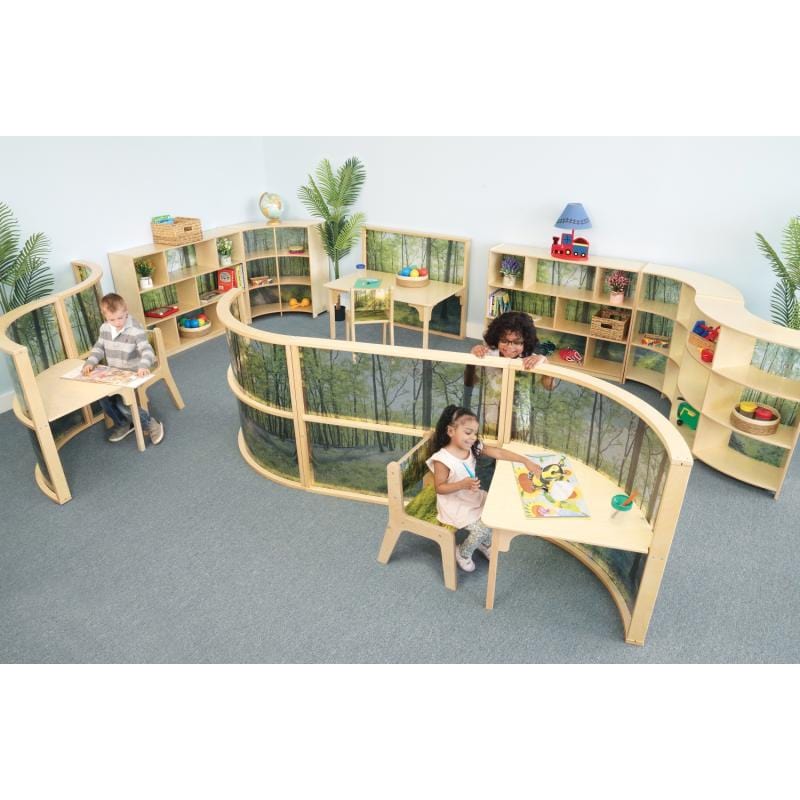
Nature isn’t limited to playgrounds, parks, or weekend hikes. More and more educators are discovering that bringing natural elements into the classroom has a profound impact on learning, behavior, and overall well-being. From wooden classroom furniture to hands-on activities inspired by the outdoors, integrating nature creates richer, more meaningful experiences for children. Why Nature Belongs […]
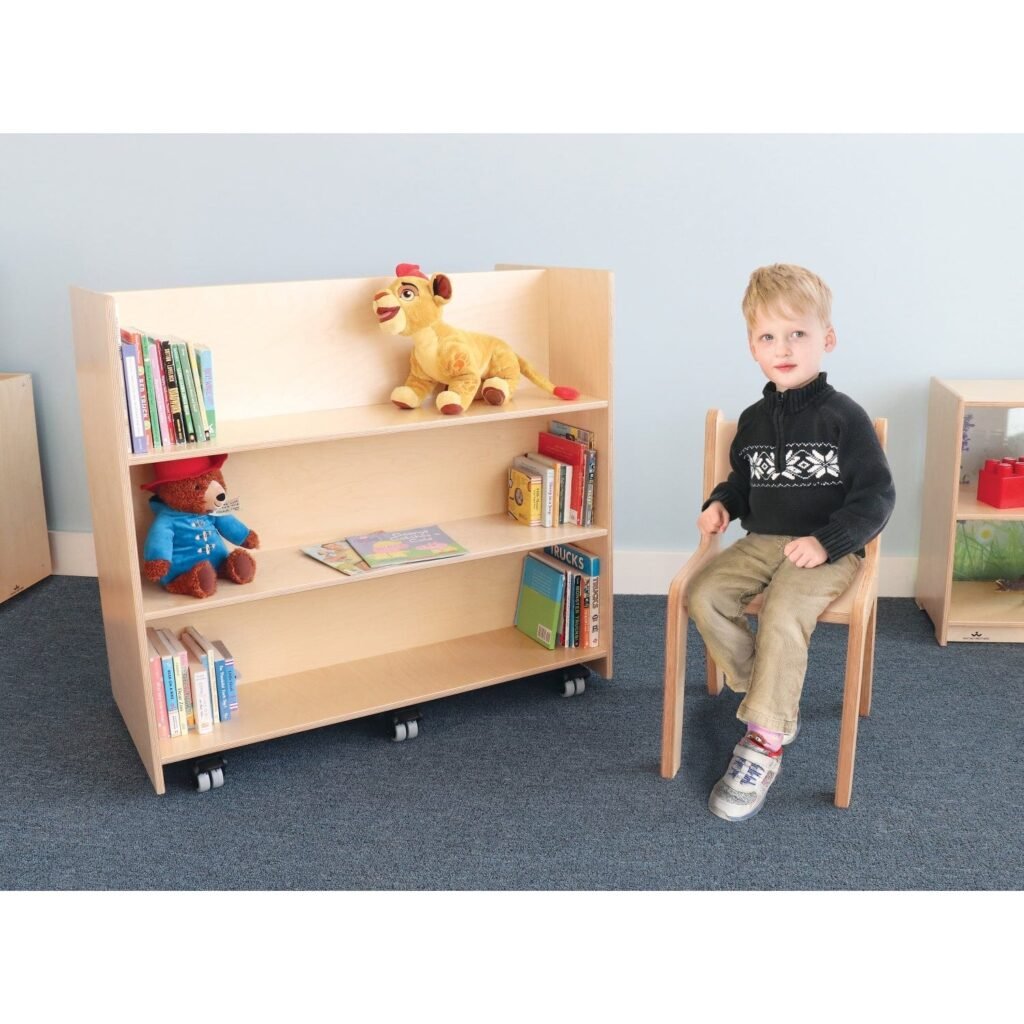
Learn how open Montessori bookshelves, preschool furniture, and visible media storage inspire independence, organization, and a love for reading.More
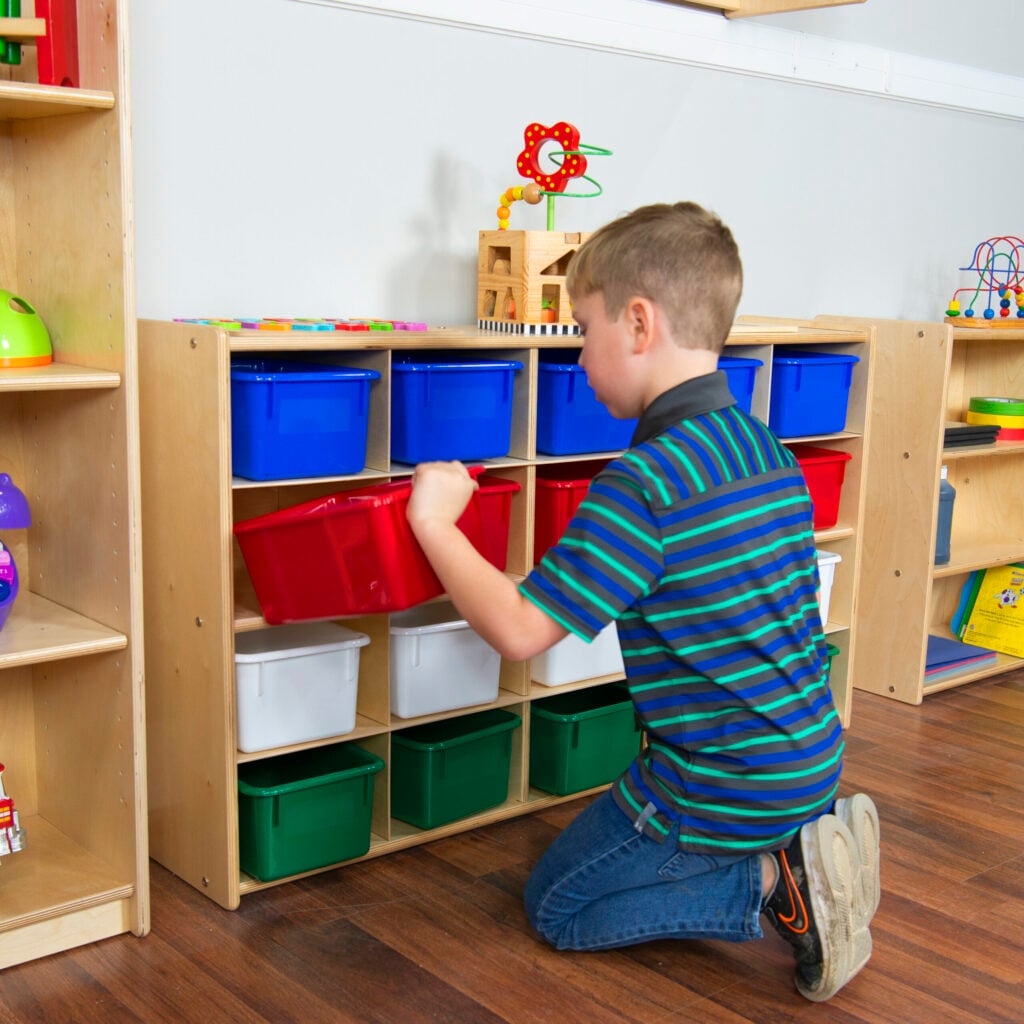
Discover how Montessori furniture, preschool tables, and educational tools create a learning space that encourages autonomy, independence, and growth.More
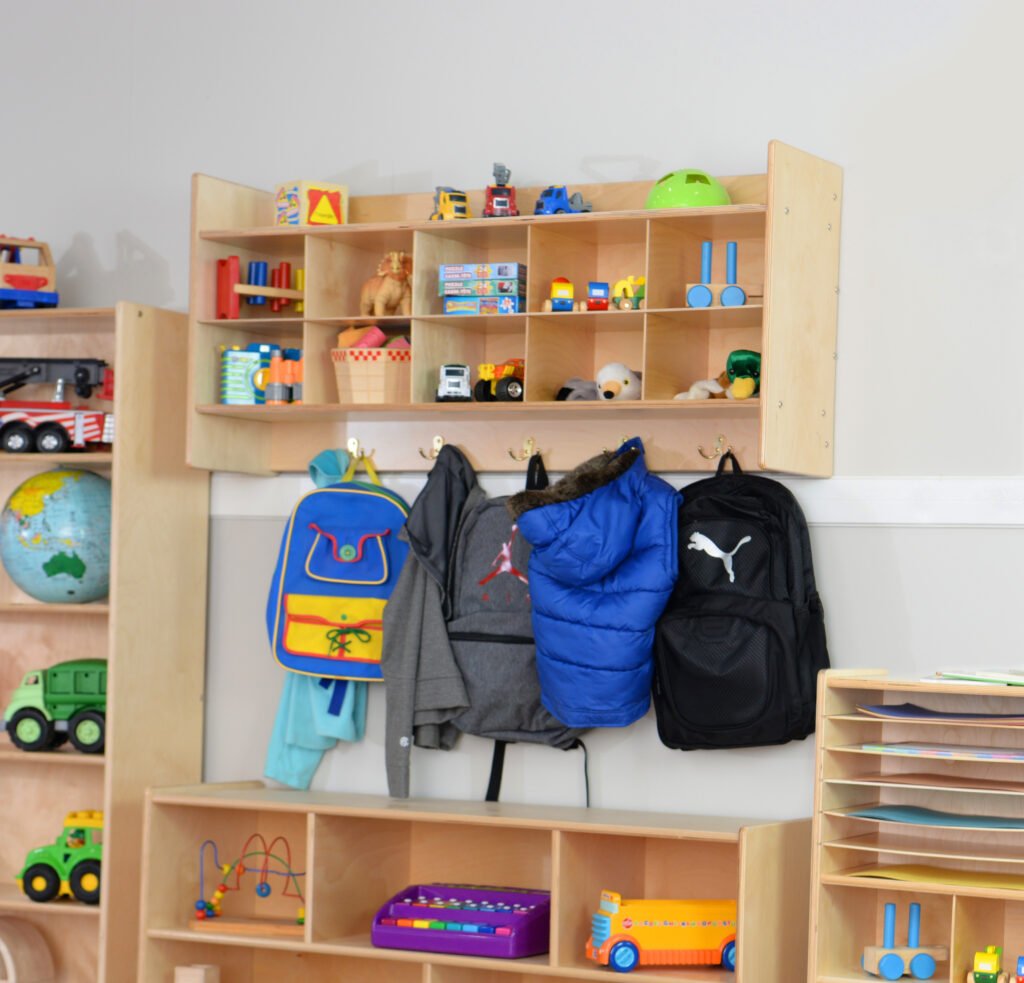
Learn how a purposefully organized classroom with the right preschool and Montessori furniture boosts focus, independence, and student achievement.More
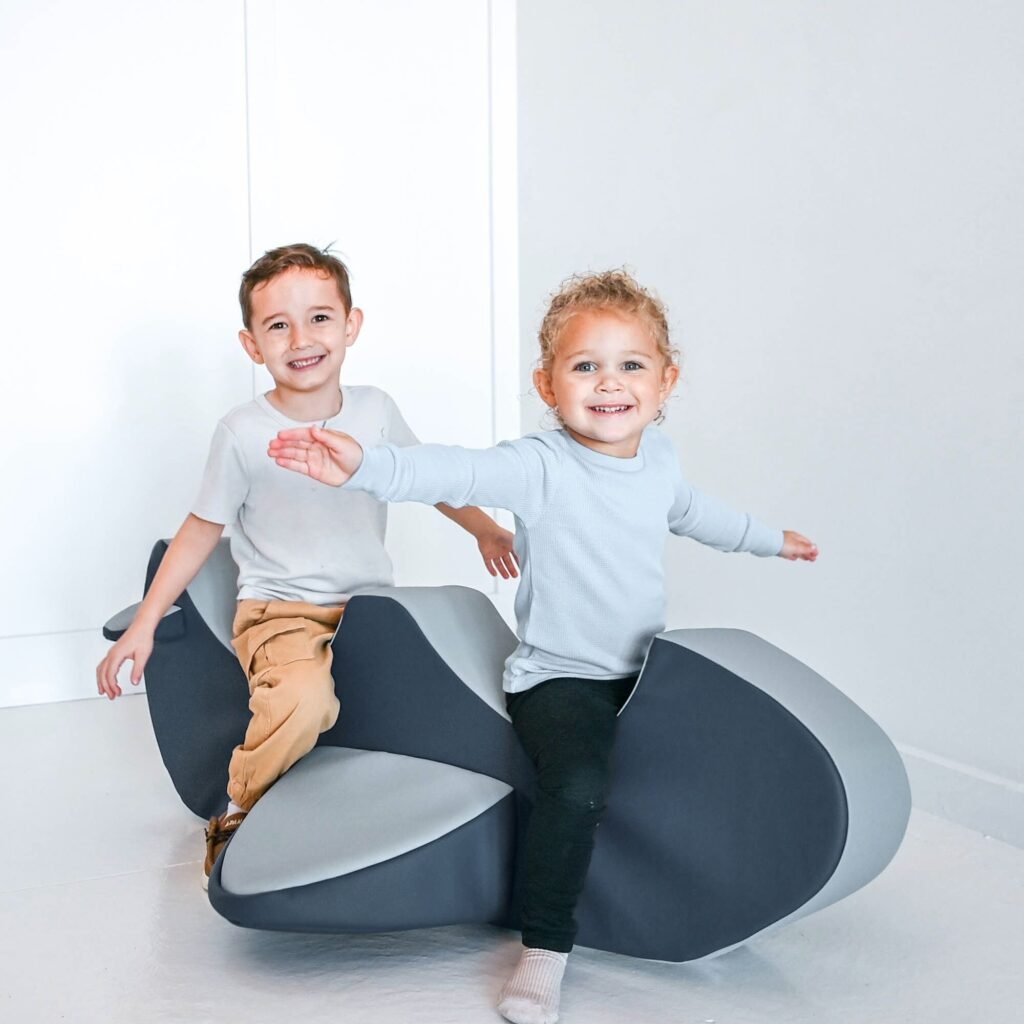
Discover the importance of active play in early childhood classrooms. Learn benefits, tips, and the best preschool & Montessori furniture for active learning.More
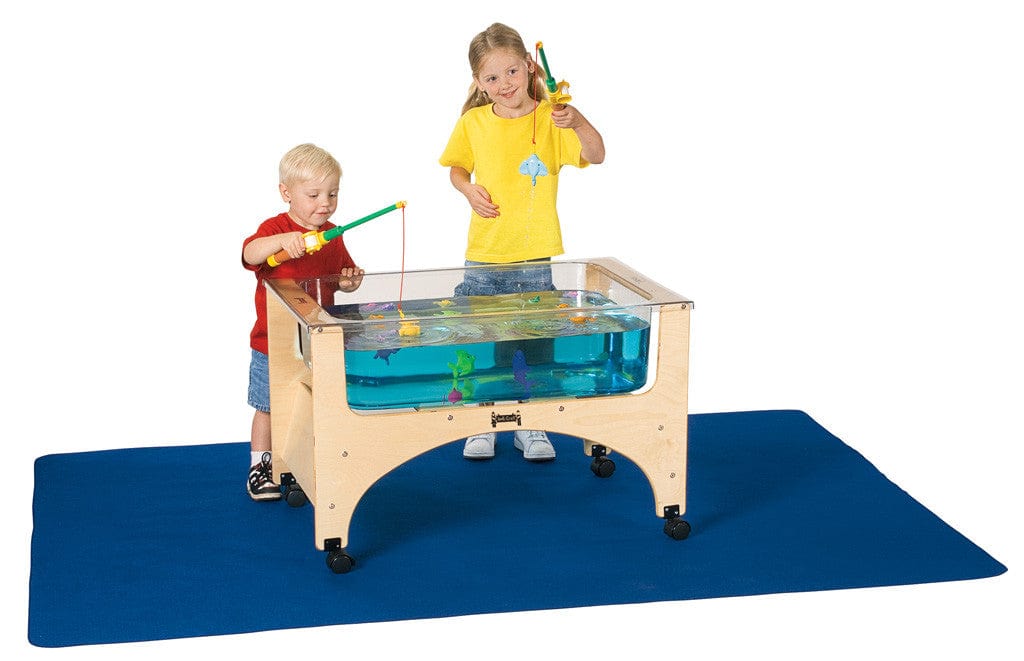
In preschool and daycare settings, sensory tables have become a favorite tool for teachers — and for good reason. They’re more than just a place to scoop, pour, and play. Sensory tables encourage exploration, help children regulate their emotions, and create opportunities for focus, social interaction, and skill development.More
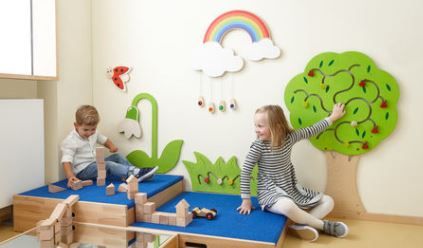
Creating a sensory-friendly and neuroinclusive classroom supports all learners by reducing overwhelm and offering calming, flexible spaces. This blog explores how to use Montessori-inspired furniture, soft color palettes, flexible seating, and defined sensory zones to help children feel safe, regulated, and ready to learn. With thoughtful design choices—like bean bags, sensory tables, and quiet corners—you can build a learning environment that works for every child, including those with autism, ADHD, sensory sensitivities, or anxiety.More
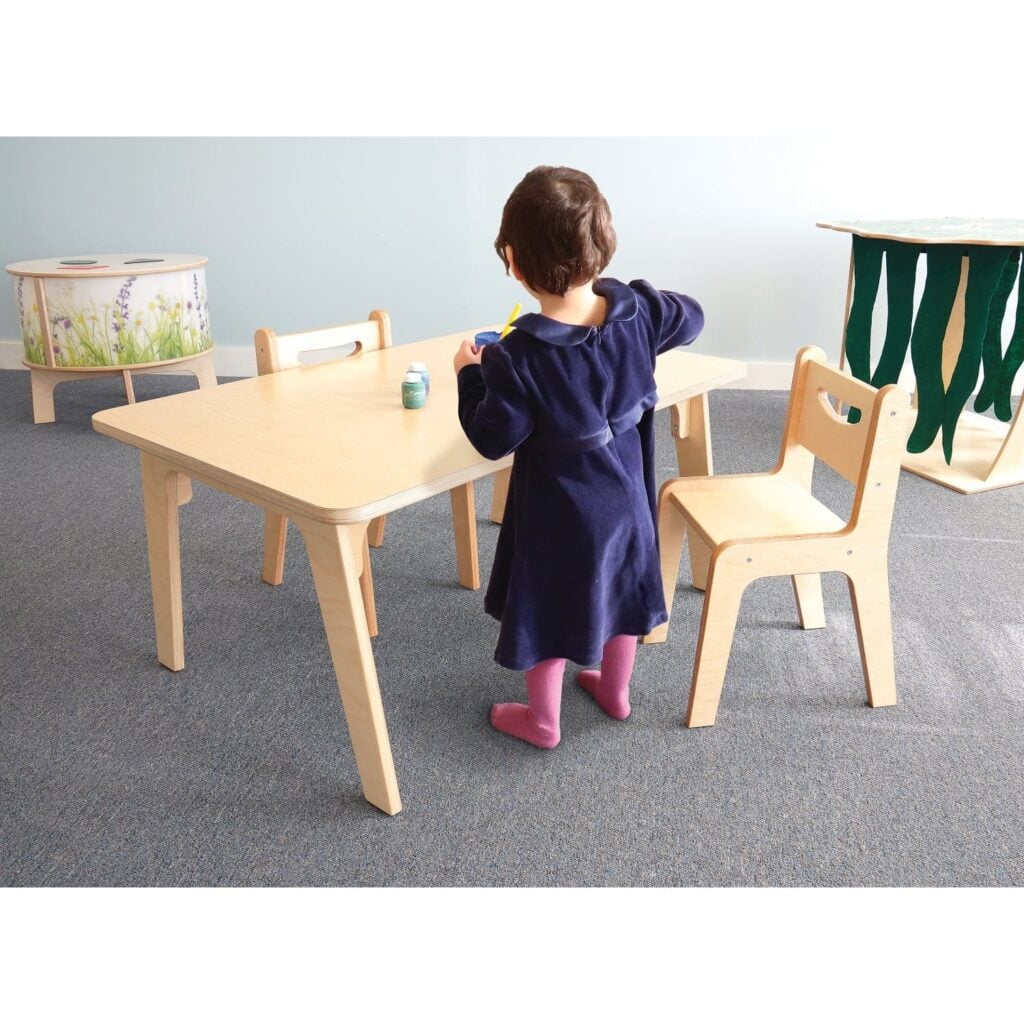
Choosing the right tables and chairs for your early education classroom is essential for creating a functional, comfortable, and child-centered learning environment. This guide explores key factors like child-sized proportions, durability, ease of cleaning, and flexibility—especially important in busy preschool, daycare, and Montessori settings. Inspired by Montessori principles, the article emphasizes the importance of independence, mobility, and natural materials when selecting classroom furniture. Discover tips for selecting tables and chairs by age group, plus practical advice for building a space that grows with your learners.
More
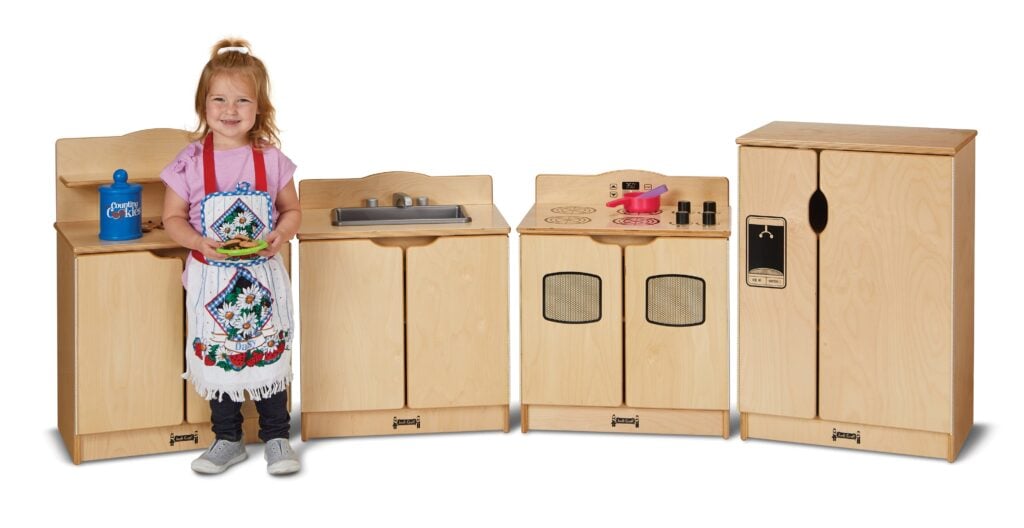
Pretend and imaginative play is essential to early childhood development, supporting creativity, emotional growth, language skills, and social interaction. In classrooms and daycares, dramatic play zones with child-sized kitchens, dress-up areas, and storytelling spaces help children explore real-world roles and express themselves. Whether in a Montessori environment or a preschool setting, imaginative play fosters problem-solving, empathy, and cognitive flexibility. Creating these spaces with the right furniture and materials encourages independent learning and collaboration. At Kindermark Kids, we offer dramatic play furniture designed to support purposeful, engaging play in every learning environment.More
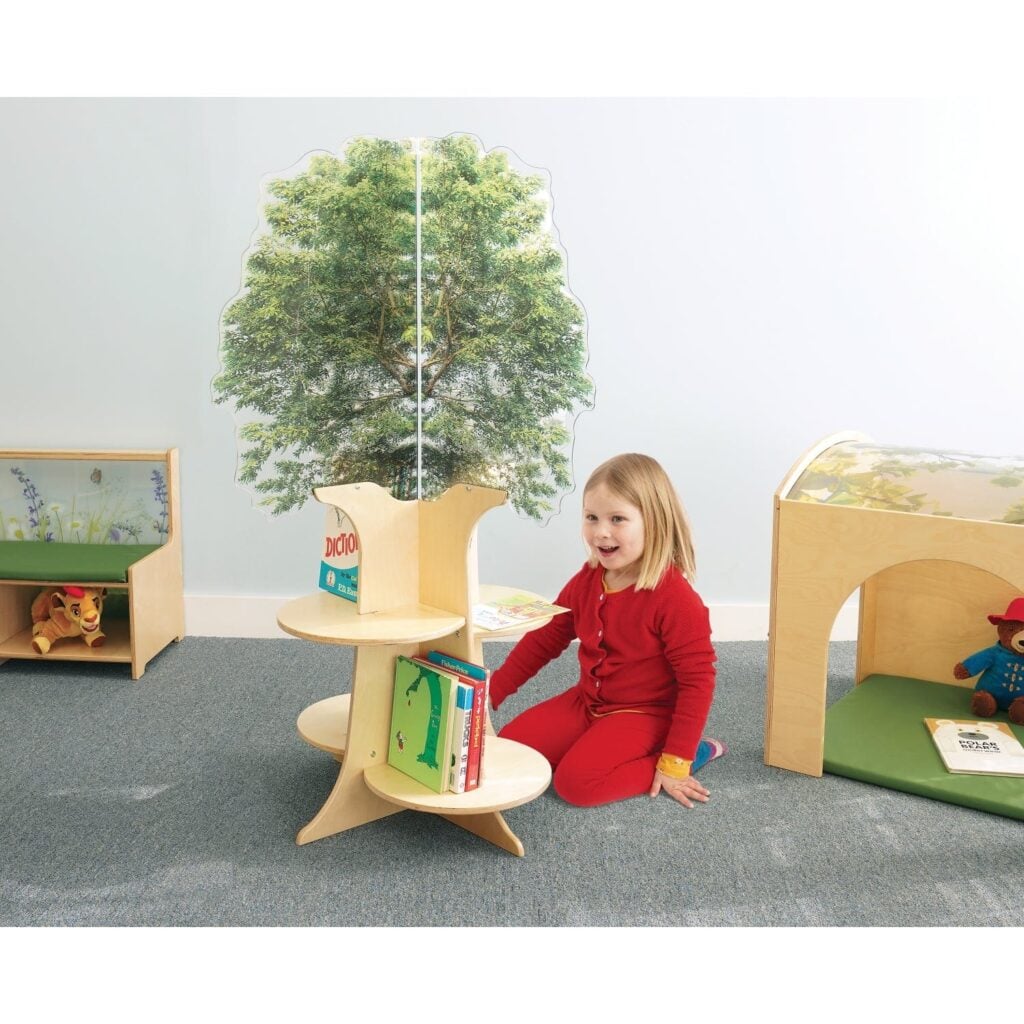
An organized reading space encourages independence and builds early literacy skills. The right children’s book and media storage—like front-facing displays, mobile carts, and Montessori-style shelves—makes books more accessible and inviting in classrooms, daycares, and early learning centers. Look for height-appropriate, durable storage with compartments for books, tablets, and audio materials. Rotating books and labeling bins help maintain order and promote self-directed exploration. At Kindermark Kids, we offer a range of classroom book storage solutions designed to support early education and create calm, clutter-free learning environments. Explore our collection to inspire a love of reading in every child.More