

Whether it’s a doctor’s office, dental practice, or another medical facility, when you see pediatric patients, you want them to feel welcome and relaxed while they’re in the pediatric waiting room. You may have a theme in mind for your waiting room (nature, floral, ocean), but have you considered the other aspects that go into pediatric waiting room design?
It’s more than just tables and chairs, and this guide will help you figure it all out.
Your waiting room is often the first impression your practice makes on every patient, including how they feel before the appointment. Numerous studies on adults and children have found that the waiting room environment plays a key role in how patients perceive their stress before the appointment and their overall opinion of the practice.
Beyond the stress-reducing benefits, though, thoughtful pediatric waiting room design keeps your pint-size patients engaged and entertained while they wait, giving parents a chance to fill out paperwork or simply take a moment to breathe.
Before designing your pediatric waiting room, think about the big picture. How many people can your waiting room hold, and do you think there will be that many people in it at once? Do you want or need a separate area for sick children? Should the play area be in the main waiting area or off to the side?
Once you have the big ideas in place, you can get down to the details.
A welcoming and calming entrance will help put pint-sized patients and their parents at ease. Keeping the waiting room area clean and clutter-free is a great start. But consider other things you can do to help every patient feel comfortable in your practice. You could:
The size and shape of your waiting room may not be in your control, but how you use that space is.
When designing your pediatric waiting room, make sure everyone has enough space to move around and sit without feeling like they’re invading someone’s space (and vice versa). Think about how many patients you see each hour, how many “guests” a patient is likely to bring with them, and how long everyone may have to wait before going into an exam room.
Then consider traffic flow. How close is your reception desk to the front door? If more than one person is checking in, where do they wait to give other patients privacy? After check-in, where do the patients go to wait?
You may want to place seats or seating areas against the wall to help with traffic flow or make room for a children’s play area. If possible, keep some space between the seats to help maintain a sense of privacy and decrease the likelihood of people sharing germs.
The trouble with germs is they’re hard to see. Even a child who looks perfectly healthy could spread an illness in your waiting room area.
Choose furniture and toys that are easy to clean. Hard surfaces, like wood and plastic, are ideal for waiting room toys and furniture. They’re non-porous and stand up to once and even twice-daily cleanings.
Also, consider adding a portable sink or two. While sanitizer is an acceptable option to clean up after playing with communal toys, hand washing with soap and water is often the more effective solution.
>>MORE: Learn more about keeping your waiting room toys safe and clean.
Once you know how to use the space, you can start selecting what furniture and other items you’ll need to complete your pediatric waiting room design.
No matter how long someone has to wait for their appointment, they want to be reasonably comfortable.
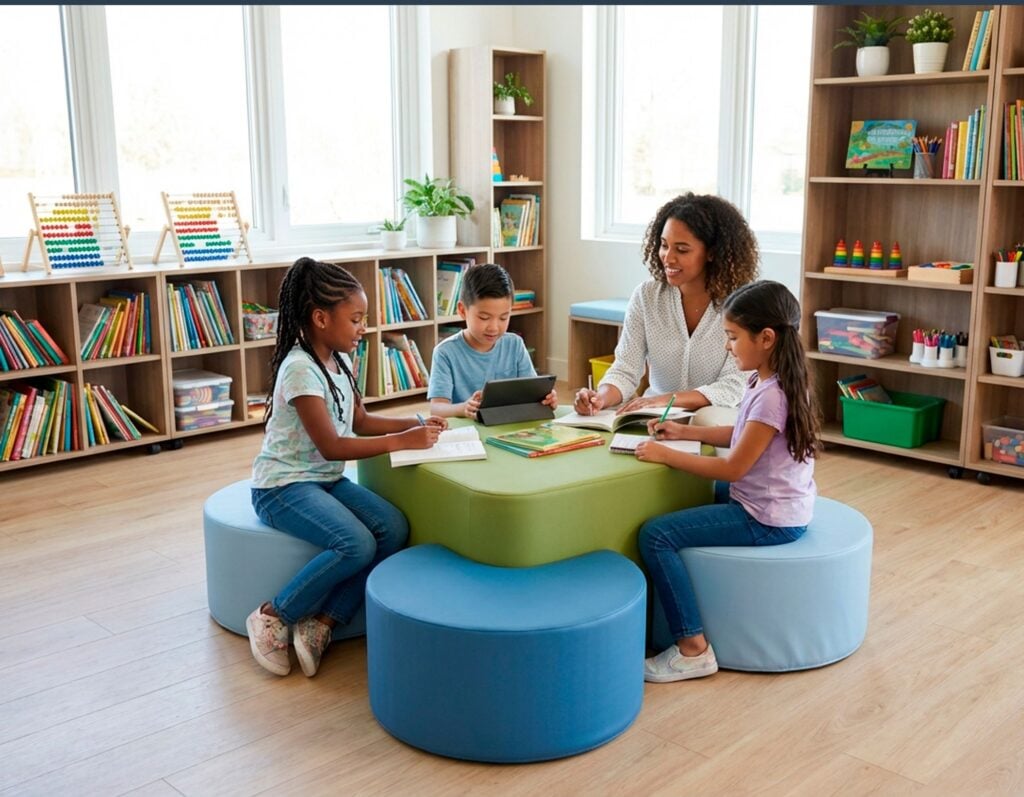
A mix of adult and child-size seating is a good place to start, but if you have the space, consider going beyond “just chairs.” Kid-sized loveseats or stools are the perfect way to mix things up. Child-height tables ensure kids have a place to draw, color, or do puzzles comfortably, but also provide some adult-height tables so parents have a place for their things if they aren’t going back with an older child.
Child-sized tables and chairs go a long way toward creating a comfortable and friendly pediatric waiting room area. But consider shaking things up with alternative seating options.
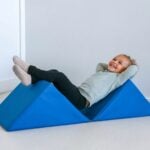
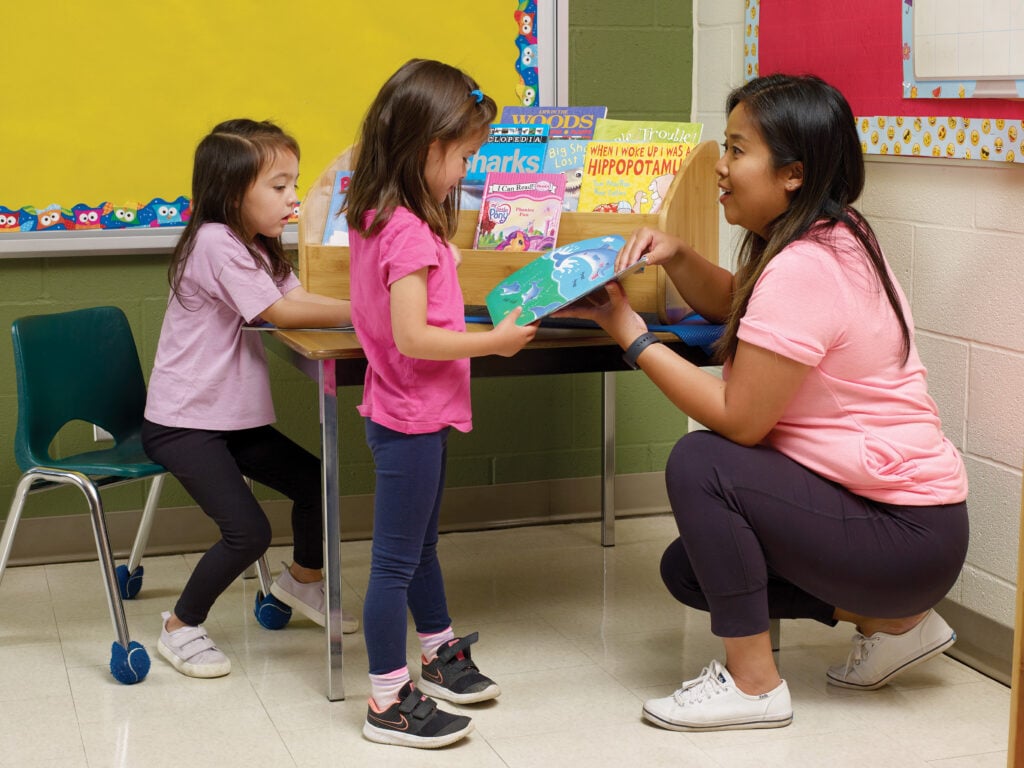
You could include a reading nook or cube, so children have a quiet place to read while they wait, a lounger so they can stretch out and relax, or a seating area that doubles as a play area. These alternative options allow kids to self-regulate their emotions before their appointment and can help them feel more relaxed and in control.
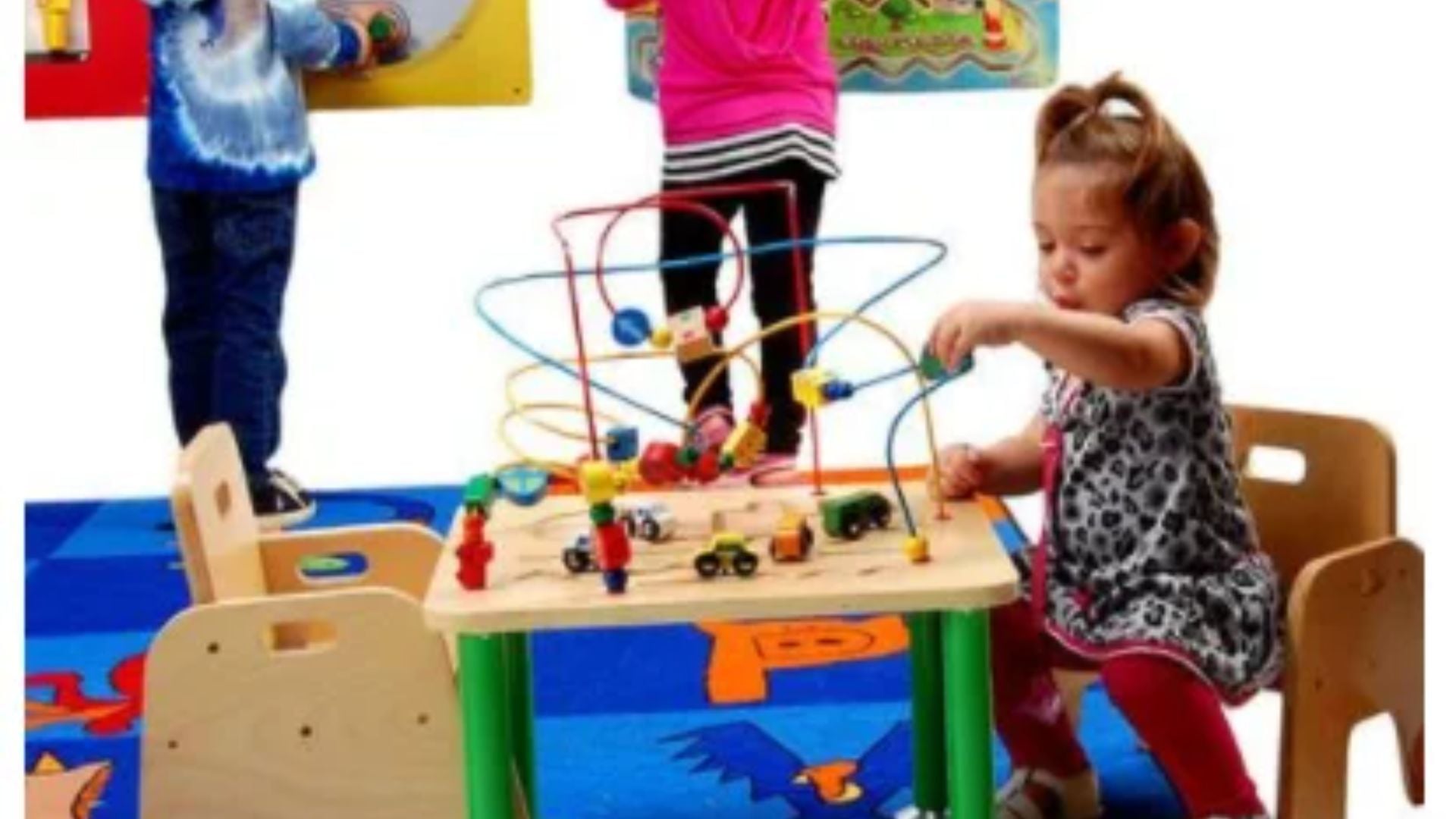
You may see kids from newborn to age 18 — and maybe even beyond. Even if you’re limited space-wise, consider setting up age-friendly play zones so toddlers and teens are mixed together. While it’s unlikely the teens won’t play with the toddler toys (who doesn’t love a bead maze?), it’s far more likely they won’t want to sit with the little ones, so setting aside a toy-free zone can help your tween and teen patients feel like they belong, too.
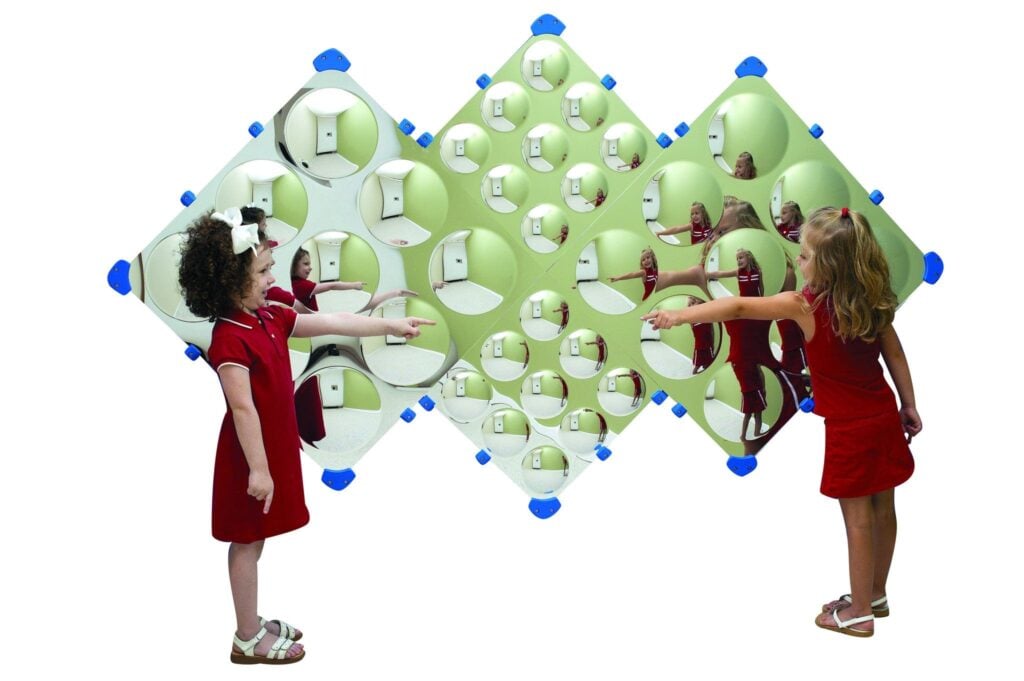
From wall toys to bead mazes, Kindermark Kids has everything you need to make your pediatric waiting room perfect.
Don’t let a small space hamper your waiting room design. If you don’t have a ton of room for tables, chairs, and play areas in the space, think vertically! Wall games allow you to provide fun and educational activities that kids are happy to engage with.
Screens are everywhere, and for some patients, they’re the only thing that helps them stay calm before the appointment. As you’re designing your pediatric waiting room, consider a mix of options to give kids a break from digital devices if they choose. And if you integrate electronics, consider something interactive and educational.
Whether you have neurodiverse patients or not, some kids and parents will appreciate a quiet, sensory-sensitive space to relax before an appointment. Even if it’s not a separate area, a quiet reading area with cozy seating and rugs gives highly sensitive patients a soothing place to wait.
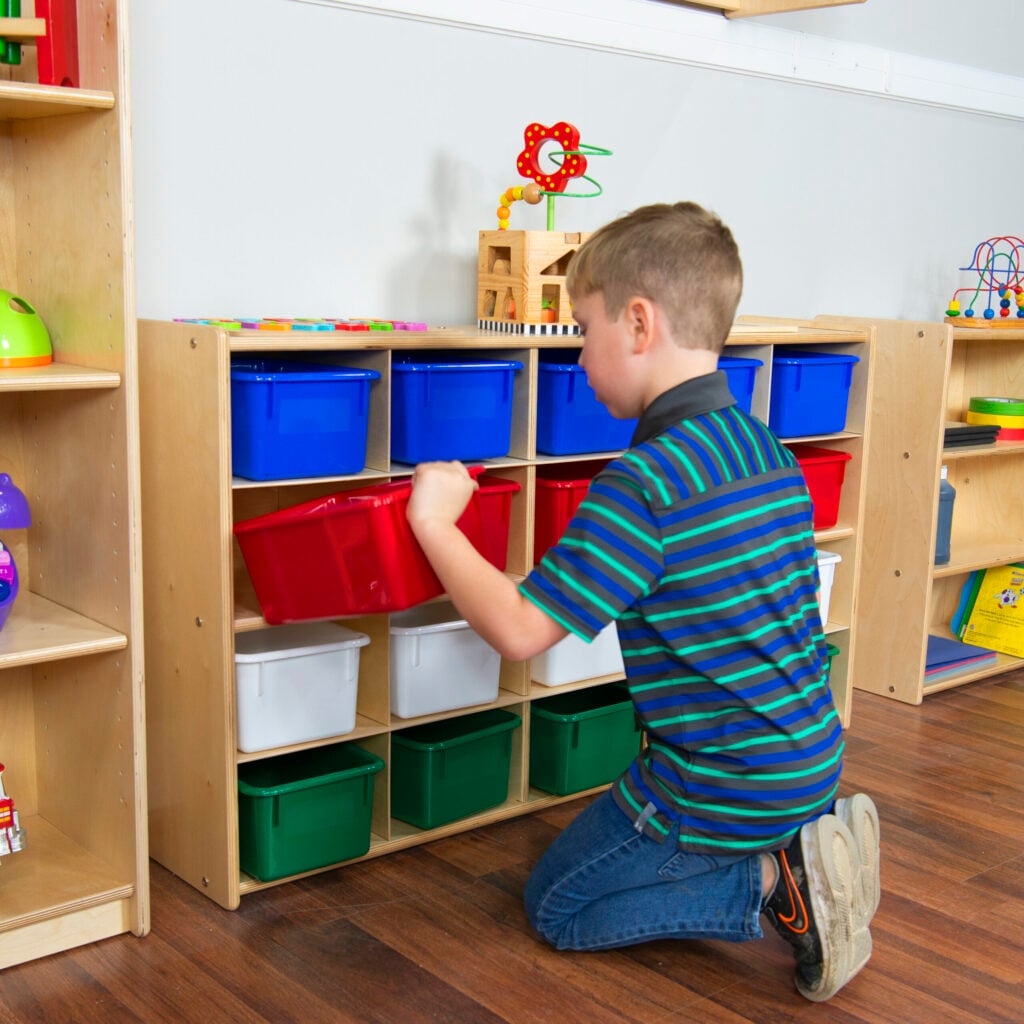
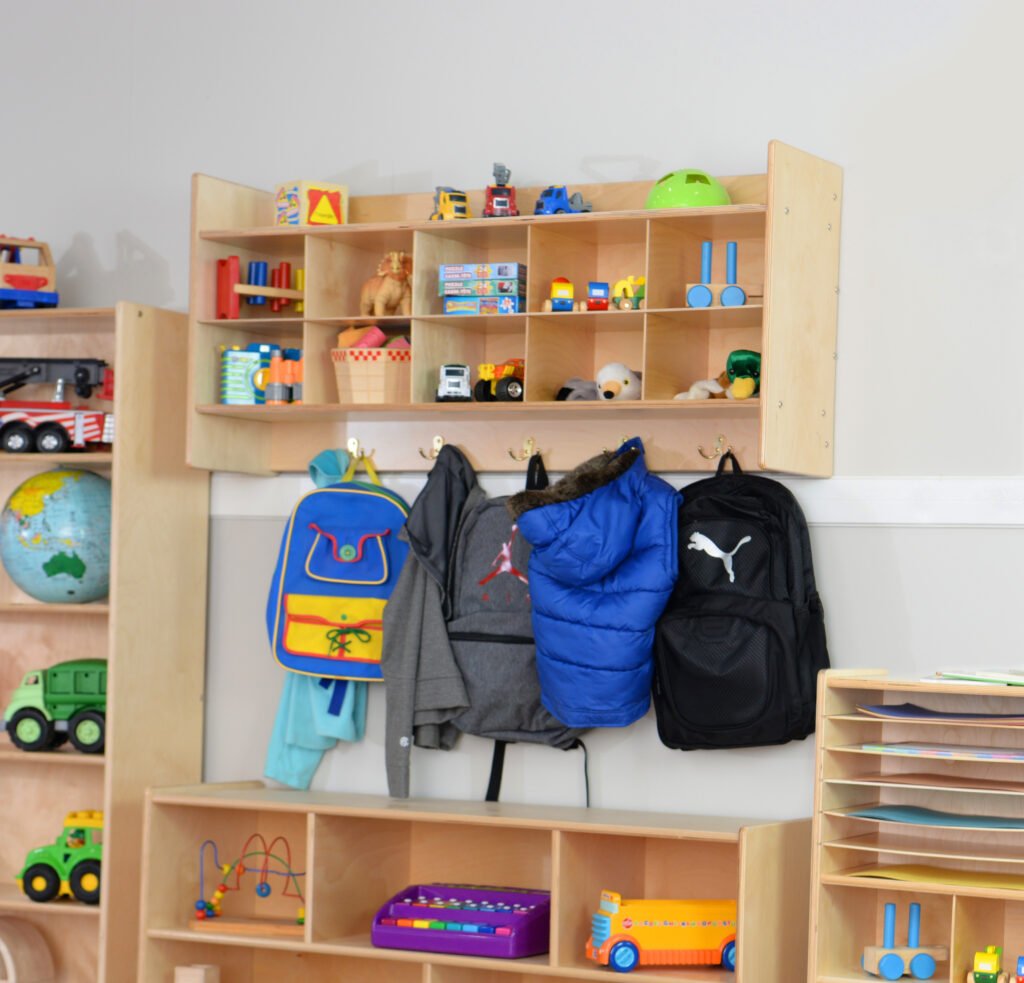
No matter how limited your space is, flexible furniture and mobile storage can help you separate or open the space whenever you need. Cubbies, storage units, and room dividers on wheels give you the freedom and flexibility to rearrange your pediatric waiting room to meet the needs of your practice as often as you’d like.
Your pediatric waiting room is a transition space, but that doesn’t mean it has to be dull. With the right furniture, toys, and setup, your pediatric waiting room can be a place kids can’t wait to visit.
Kindermark Kids has a wide variety of child-sized furniture, portable sinks, and toys that can help you create a space that’s educational and fun as well as functional. Browse our full lineup of products today or contact our team for personalized guidance and advice.